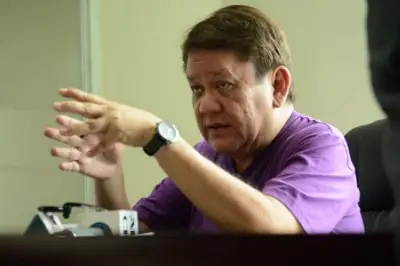
In a significant move to bolster the country's anti-drug campaign, Davao City First District Representative Paolo 'Pulong' Duterte has introduced legislation requiring all elected and appointed public officials to undergo random drug testing through hair follicle analysis.
Key Provisions of House Bill No. 6105
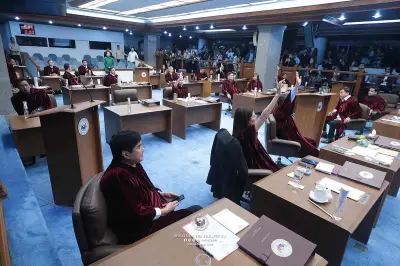
The proposed House Bill No. 6105, filed on November 20, 2025, seeks to amend Section 36 of Republic Act 9165, also known as the Comprehensive Dangerous Drugs Act of 2002. The measure would mandate that all government officials, including those in government-owned and controlled corporations both in the Philippines and overseas, must submit to random drug tests.
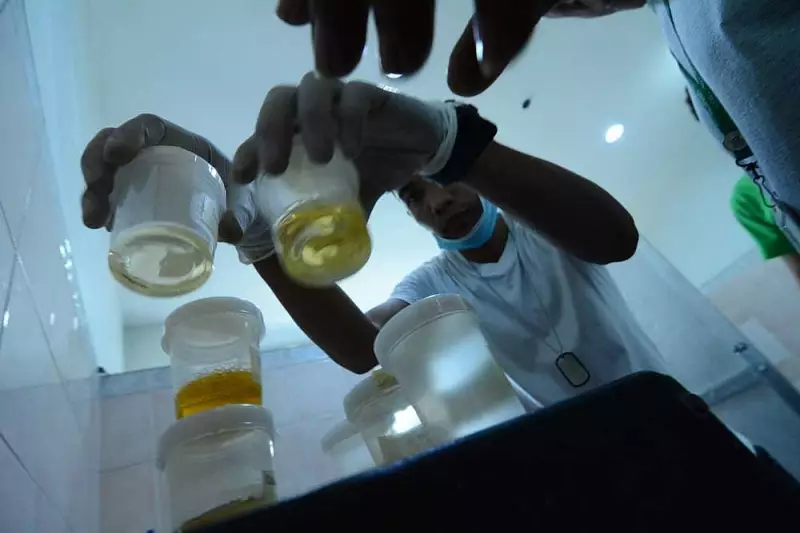
Under the bill, government forensic laboratories monitored by the Department of Health would be authorized to conduct either hair follicle or urine tests administered randomly. Officials who test positive would face administrative sanctions and could be suspended or removed from office under existing laws.

Strengthening Anti-Drug Efforts
In his explanatory note, Duterte emphasized that the bill aims to eliminate exemptions granted under a 2018 Dangerous Drugs Board regulation. He stressed that public officials, as 'holders of public trust', must demonstrate accountability and integrity, particularly in light of authorities seizing ₱87.19 billion worth of illegal drugs from 2022 to early 2025.
Duterte argued that exempting officials from drug testing violates the equal protection clause, noting that the Supreme Court has already upheld mandatory drug tests for students and government employees. 'Such inconsistencies do not extend to elected and appointed public officials,' he stated, advocating for uniform application of drug testing standards.
Political Context and Palace Response
The bill's filing comes amid renewed calls for drug testing following Senator Imee Marcos's allegations on November 17 that her brother, President Ferdinand 'Bongbong' Marcos Jr., is a drug user. Duterte challenged the President to take the test, stating that if he has nothing to hide, he should not refuse it.
However, Malacañang has firmly stated that President Marcos will not take the drug test. Palace Press Officer Claire Castro maintained that the President is clean and described the calls for testing as attempts at provocation from 'destabilizers and obstructionists' who have nothing better to do than issue orders to the President.
Duterte clarified that his proposal is 'not new and not personal' but intended to promote transparency and protect the integrity of public service. He has advocated for hair follicle testing for government officials for several years, arguing that expanding testing methods would help close the gap between reported and unreported drug use while strengthening public confidence in government institutions.