Senator Ejercito Urges Dela Rosa to Voluntarily Halt Senate Salary Amid Prolonged Absence
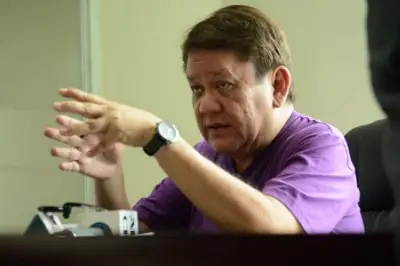
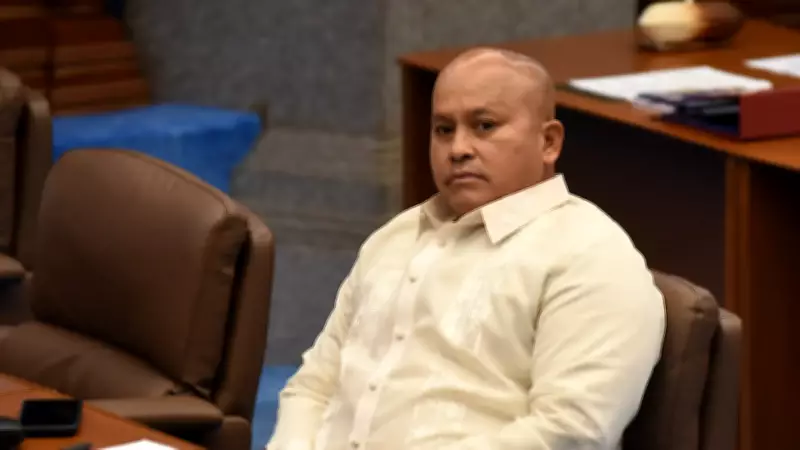
In a bold move highlighting accountability in public service, Senate Deputy Majority Leader JV Ejercito has publicly appealed to Senator Ronald "Bato" Dela Rosa to voluntarily stop receiving his salary and allowances from the Senate while he remains absent from his duties. This call comes amid growing concerns over Dela Rosa's extended non-attendance, which has sparked debates on ethical governance and legislative responsibility.
Background on Dela Rosa's Absence
According to Ejercito, Dela Rosa has not been seen at the Senate since November 2025, following reports of an alleged arrest warrant from the International Criminal Court (ICC) related to his role in the Duterte administration's war on drugs. Ejercito emphasized that public service is built on the trust of the people, and elected officials must uphold this trust through responsible conduct and presence in their roles.
He further noted that Dela Rosa holds the record for the longest absence in the Senate, spanning from July 28, 2025, to March 18, 2026. This prolonged period away from work has raised questions about the effectiveness of current Senate rules in addressing such situations.

Call for Policy Amendments
Ejercito suggested that the Senate may need to amend its existing policies to establish clear penalties for senators who are absent for extended periods. Currently, there are no rules that can forcibly sanction absent members, leaving a gap in accountability measures. He proposed that a "no work, no pay" policy could be a potential solution, ensuring that senators are compensated only when they actively participate in their legislative duties.
As of now, the Senate has not taken any final action on this proposed policy, leaving the issue unresolved. Ejercito's appeal underscores the need for stricter regulations to maintain integrity and efficiency within the legislative body.
Implications for Public Trust
This situation highlights broader issues of transparency and responsibility in government. Ejercito stressed that elected officials must be held accountable for their actions, especially when it comes to fulfilling their mandated roles. The call for voluntary salary suspension is seen as a step toward reinforcing public confidence in the Senate's commitment to ethical governance.
In summary, Ejercito's appeal to Dela Rosa serves as a reminder of the importance of accountability in public service, urging immediate action to address gaps in Senate rules and restore trust among citizens.