The Philippine government continues to grapple with the aftermath of its massive crackdown on Philippine Offshore Gaming Operations (POGOs), with attention now turning to the fate of dozens of abandoned structures left behind by Chinese operators.
The POGO Closure and Its Immediate Impact
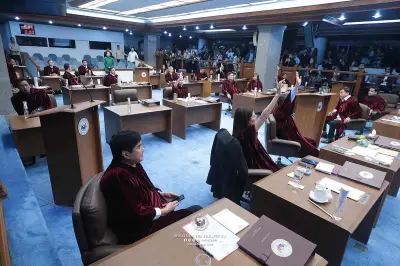
President Bongbong Marcos made the decisive move to declare POGOs inoperative, a announcement that drew loud applause from Congress members. The closure came amid growing public anger over corruption scandals and criminal activities associated with the gambling hubs.
While the scale differs, the current investigation into POGO-related corruption echoes the earlier probe of now-detained former Bamban Mayor Alice Guo. The parallel has not gone unnoticed by observers of Philippine politics.

The Abandoned Properties Dilemma
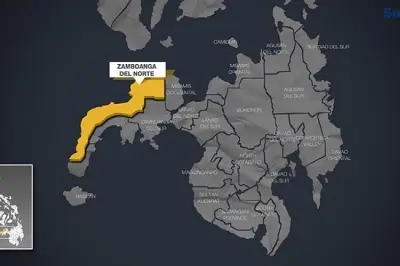
In Porac alone, 46 buildings stand empty across an eight-hectare prime property, located just a stone's throw from a golf course. Similar questions surround abandoned POGO structures in Bamban, Tarlac.
Who will ultimately claim these properties? The municipal government of Porac could potentially become the beneficial owner, though the national government has also shown interest. The National Housing Authority (NHA) has expressed interest in acquiring the buildings, though their specific plans remain unclear.
Practical Solutions for Community Benefit
Several practical suggestions have emerged regarding the future use of these structures. Converting them into school buildings appears to be a popular proposal, particularly given the acute classroom shortage facing educational institutions in the area.
Frankie Villanueva, former president of City College of Angeles, revealed during Monday Club meetings that thousands of qualified students couldn't be accommodated this school year due to room shortages. The POGO buildings could potentially alleviate this crisis.
If Porac lacks resources to operate the buildings as schools, a usufruct arrangement with Angeles City government has been suggested. The city could establish a branch of City College of Angeles there. Another proposal involves leasing the facilities to established Metro Manila schools like University of the East, potentially catching the attention of its owner, Lucio Tan.
However, accessibility remains a significant challenge. Residents of Porac cannot directly access the POGO area because the only entrance requires traveling through Angeles City—a 12-kilometer commute that would strain student budgets.
Broader Context and Missed Opportunities
The POGO operations weren't without their benefits to the national coffers. The platforms generated substantial revenue for the Philippine Amusement and Gaming Corporation (PAGCOR), adding hundreds of millions of pesos monthly through digital gambling operations that primarily served bettors in China.
The fundamental issue wasn't internet gaming itself, but the criminal activities that flourished within POGO compounds. The author recalls watching congressional investigations where lawmakers unfairly badgered Porac Mayor Jing Capil for lacking knowledge about crimes committed inside the hubs.
The conduct of some contemporary senators and congressmen during these investigations has drawn criticism, with their aggressive questioning style and occasional insults toward resource persons contrasting sharply with the more honorable approach of past legislators.
As the nation moves forward from the POGO era, the optimal use of these abandoned properties represents both a practical challenge and an opportunity to repurpose controversial assets for public benefit.