Government Considers Expanding Aid to Middle Class as Fuel Prices Surge
The national government is actively examining potential support measures for middle-income earners who are grappling with the ongoing surge in fuel and commodity prices. According to Finance Undersecretary Karlo Fermin Adriano, one of the key discussions within the UPLIFT Committee involves the possibility of extending fuel discounts beyond public utility vehicles to include private motorists.
UPLIFT Committee's Role in Addressing the Energy Crisis
The UPLIFT Committee, established under Executive Order No. 110 in 2026, leads the government's response to the energy crisis exacerbated by tensions in the Middle East. Its primary objectives are to maintain stable prices for fuel and food while providing targeted subsidies and interventions to various sectors, including farmers, fishermen, and transport workers.
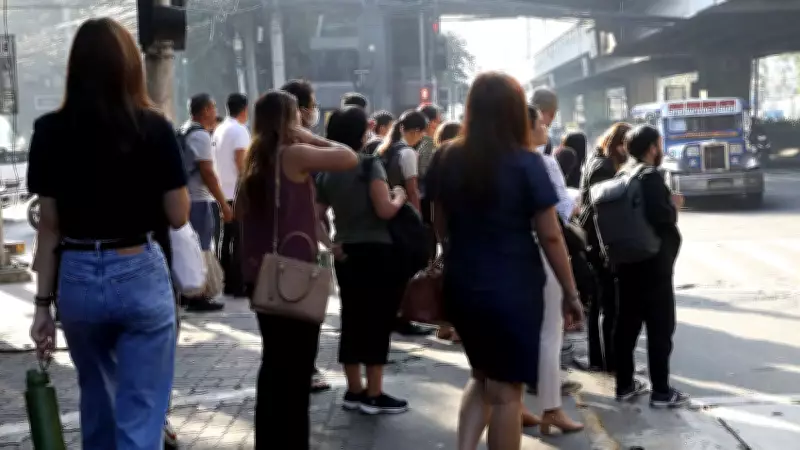
The Department of Finance (DOF) has acknowledged that the impact of high fuel prices extends beyond public transport drivers to encompass private motorists as well. This recognition underscores the broader economic strain faced by middle-class households, who often rely on private vehicles for daily commuting and essential activities.

Broader Implications for Households and the Economy
The continuous increase in fuel costs has ripple effects on the prices of goods and services, further squeezing the budgets of middle-income families. By considering expanded assistance, the government aims to mitigate these financial pressures and support economic stability. The UPLIFT Committee's efforts highlight a strategic approach to crisis management, focusing on both immediate relief and long-term price stabilization.
This development comes as global oil markets remain volatile due to geopolitical tensions, prompting governments worldwide to explore similar measures to protect their citizens from economic hardship.