Senator Hontiveros Denounces Rep. Suntay's Controversial Remarks Against Anne Curtis
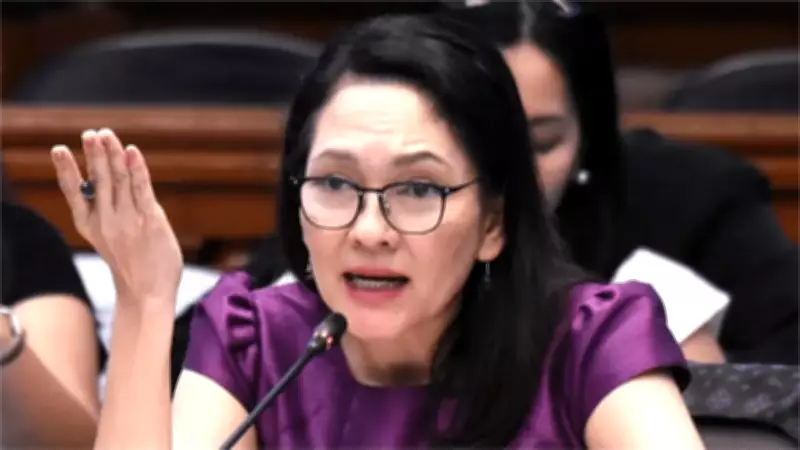
In a firm and unequivocal statement, Senator Risa Hontiveros, who chairs the Senate committee on women, children, family relations, and gender equality, has publicly condemned the controversial remarks made by Quezon City Representative Bong Suntay against actress and television personality Anne Curtis. The senator emphasized that there is absolutely no acceptable justification for the comments and insisted that Rep. Suntay must issue a clear and unambiguous apology to address the harm caused.
Legal Implications Under the Bawal Bastos Law
Senator Hontiveros highlighted the serious legal ramifications of such statements, pointing directly to the Bawal Bastos Law, which explicitly prohibits gender-based harassment and imposes strict penalties for violations. She stressed that as lawmakers, it is their fundamental duty not only to uphold this legislation but also to actively enforce it, setting a standard for public conduct and accountability. The senator's remarks underscore the importance of protecting individuals from verbal abuse and objectification in both public and private spheres.
Rep. Suntay's Response and Ongoing Controversy
In response to the backlash, Rep. Bong Suntay has offered an apology to those who were offended by his comments, though he maintained that he had no malicious intent behind his words. He defended his analogy as an effective means to draw attention to his message, but this justification has been met with widespread criticism. The controversy has sparked a broader debate about the boundaries of acceptable speech and the responsibilities of elected officials in promoting respectful discourse.

Philippine Commission on Women Weighs In
The Philippine Commission on Women (PCW) has also joined in condemning Rep. Suntay's statement, labeling it as a clear case of "sexual objectification" that perpetuates harmful stereotypes. The PCW has called for a full and responsible apology from the congressman and has urged the House Ethics Committee to take appropriate disciplinary action. This move signals a growing institutional push for accountability and highlights the need for systemic changes to address gender-based issues in political and public arenas.
The incident has drawn significant media attention and public scrutiny, with many advocating for stricter enforcement of anti-harassment laws and greater sensitivity training for public figures. As the story develops, it remains a focal point for discussions on gender equality, legal accountability, and the ethical standards expected of those in positions of power.