House of Representatives to Hold Emergency Meeting with 13 Committees to Tackle Oil Price Crisis
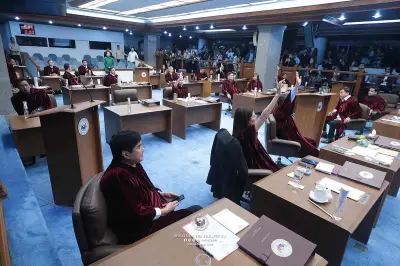
The Philippine House of Representatives has taken a decisive step in response to the ongoing fuel price crisis by forming 13 specialized committees under the directive of Speaker Bojie Dy. These committees are tasked with developing a comprehensive legislative package aimed at mitigating the impact of soaring petroleum prices on the nation. The move comes as global tensions, particularly in the Middle East, continue to disrupt oil markets, putting pressure on the Philippine economy.
Organized Legislative Strategy for Immediate and Long-Term Solutions
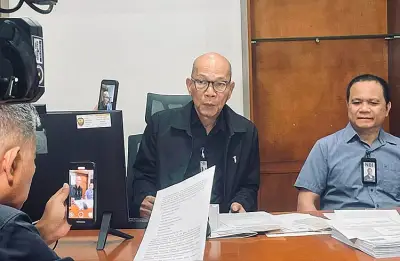
According to House Ways and Means Chairperson and Marikina Representative Miro Quimbo, the initiative is designed to provide an organized national response through two key strategies. First, it focuses on delivering immediate assistance, such as a supplemental budget for affected sectors, to offer quick relief to Filipinos struggling with high fuel costs. Second, it aims to ensure long-term economic resilience by implementing measures that will stabilize the economy against future shocks.
Quimbo emphasized that Speaker Dy expanded the effort to involve 13 committees to foster a unified legislative response from the Lower House. This approach seeks to promote collaboration between Congress and the executive branch's economic managers, rather than engaging in blame games over the crisis. The goal is to work together proactively to address the challenges head-on.

Committees Involved and Upcoming Hearings
The 13 committees that will collaborate on this effort span a wide range of sectors, reflecting the multifaceted nature of the crisis. They include:
- Energy
- Agriculture
- Foreign Affairs
- Ways and Means
- Labor
- Transportation
- ICT
- Economic Affairs
- Social Services
- Trade and Industry
- Overseas Workers Affairs
- Appropriations
The first formal hearing for these committees is scheduled for April 8, with the objective of swiftly passing laws that can alleviate the effects of the Middle East conflict on Filipino citizens. Despite the current congressional break, Quimbo confirmed that work is ongoing, with technical meetings already underway in preparation for the upcoming hearings.
Emphasis on Preparedness Amid External Forces
Representative Quimbo highlighted that while the crisis is driven by external forces beyond the Philippines' control, it is crucial for the government to prepare adequately. He stressed that the economy must not be allowed to buckle under pressure whenever global market conflicts arise. This proactive stance aims to prevent the nation from being caught off guard by international events that impact local fuel prices and overall economic stability.
The comprehensive package being developed is expected to include both short-term relief measures and long-term policy reforms, ensuring that the Philippines can navigate current challenges while building a more robust economic framework for the future.