LTFRB 7's Show Cause Order Exposes Systemic Public Transport Fare Overcharging
The recent show cause order issued by the Land Transportation Franchising and Regulatory Board 7 against a van-for-hire operator and driver is not merely an administrative action. It serves as a stark warning that discipline within the public transportation sector remains a significant challenge, particularly during this period of intense economic pressure and commuter hardship.
Isolated Incident or Systemic Problem?
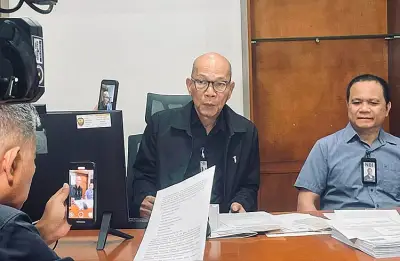
According to the investigation led by regional office head Abosamen Matuan, only one unit was caught overcharging passengers at the terminal in Cebu City en route to Lapu-Lapu City. This raises a critical question: is this an isolated incident, or merely the tip of a much broader problem within the V-hire fare system?
The addition of P10 to the fare, increasing it from P40 to P50, might seem insignificant to some observers. However, for daily wage earners and students who rely exclusively on public transportation, this represents an additional financial burden that compounds their economic struggles.

Regulatory Framework and Economic Realities
Public transportation fares cannot be arbitrarily changed through individual driver or operator decisions. These adjustments must undergo formal approval processes through regulatory bodies to protect public interests and maintain fare standardization across the transportation network.
It is important to acknowledge that drivers themselves face substantial difficulties. Rising fuel prices, vehicle maintenance costs, and other operational expenses create genuine financial pressures. However, the solution cannot be unilateral fare increases implemented without proper authorization.
The appropriate pathway involves petitioning regulatory bodies through established channels to legally and fairly demonstrate the necessity for fare adjustments. This process ensures transparency and protects both operators' livelihoods and commuters' financial interests.
Broader Implications and Regulatory Response
A particularly concerning aspect of this operation is the possibility that numerous operators may have evaded detection after noticing inspection activities. This suggests the problem extends beyond a single unit and potentially represents a wider practice among certain drivers.
If this proves to be the case, it necessitates stricter monitoring protocols and more frequent terminal inspections to prevent systematic overcharging practices from becoming normalized within the transportation sector.
Balancing Interests and Public Responsibility
The role of the Land Transportation Franchising and Regulatory Board extends beyond mere punitive measures. The agency must maintain a delicate balance between operator interests and commuter protection. The potential penalties—including a P15,000 fine, vehicle impoundment, and possible franchise cancellation—serve as strong deterrents against system abuse.
Conversely, the public bears significant responsibility in this ecosystem. Reporting overcharging incidents represents a critical mechanism for preventing abusive practices. When passengers remain silent about fare violations, illegal overcharging practices inevitably persist and proliferate.
Urban Transport Governance Challenges
Overall, the V-hire terminal incident in Cebu illustrates a much larger issue within urban transport governance. Fare collection discipline, transparent regulation, and active public participation form the essential foundations for maintaining fair and equitable transportation systems.
As economic pressures continue to affect both operators and commuters, the need for robust regulatory oversight and collaborative problem-solving becomes increasingly urgent. Only through coordinated efforts between regulatory bodies, transportation operators, and the commuting public can sustainable solutions emerge that address the complex challenges facing public transportation systems.