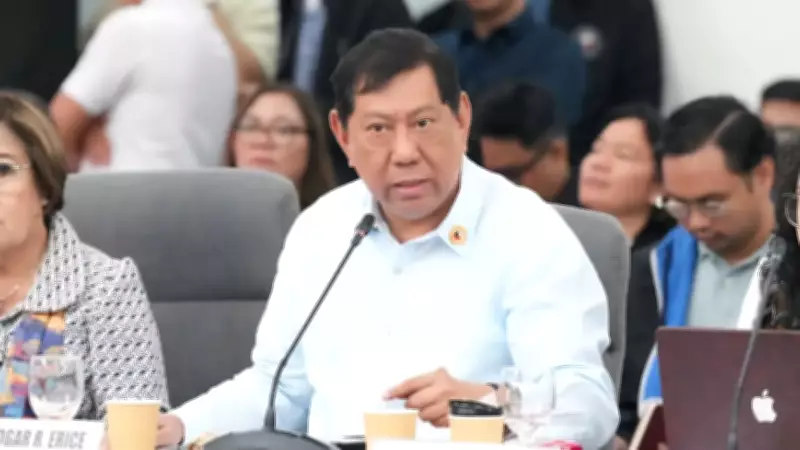
Malacañang has issued a direct challenge to Caloocan Representative Edgar Erice, urging him to enhance his debating skills regarding the Anti-Political Dynasty Bill to better advocate for his preferred version of the legislation. The Palace also questioned Erice's recent criticism of President Ferdinand Marcos Jr., who has been accused by the congressman of merely paying lip service to the bill's priority status.
Palace Response to Erice's Accusations
In a firm rebuttal, Malacañang responded to Erice's statement that President Marcos is only engaging in political posturing by declaring the Anti-Political Dynasty Bill a priority. According to Palace officials, it is the fundamental duty of lawmakers to craft and pass legislation, and this should be the primary focus for Congressman Erice. They emphasized that the decision-making process on the bill does not rest solely with Erice, highlighting the collaborative nature of congressional proceedings.
Legislative Progress and Committee Approval
Recall that just yesterday, the House Committee on Suffrage and Electoral Reforms advanced a substitute bill for the Anti-Political Dynasty legislation. This working draft incorporates proposals from Speaker Faustino “Bojie” Dy III and Majority Leader Sandro Marcos, marking a significant step forward in the legislative process.

On the other hand, Speaker Dy praised the committee's approval of the consolidated Anti-Political Dynasty proposal, which is based on a second-degree prohibition framework. He described this development as a crucial move toward realizing long-awaited political reforms in the Philippines.
Key Provisions of the Approved Version
Under the approved version of the bill, several stringent measures are proposed to curb political dynasties:
- It prohibits the simultaneous holding of elected positions by spouses and relatives up to the second degree of consanguinity or affinity within the same level of government, whether national or local.
- This restriction covers high-profile positions such as President, Vice President, and Senators, as well as roles within the same province, city, municipality, or barangay.
- Candidates will be required to submit a sworn affidavit to the Commission on Elections (Comelec), certifying that they will not establish a prohibited political dynasty.
If enacted into law, these prohibitions will be implemented starting from the next election cycle and will apply to all future elections, aiming to foster a more equitable political landscape.
The ongoing debate underscores the complexities of political reform in the Philippines, with Malacañang pushing for more substantive legislative efforts from critics like Erice. As the bill moves through Congress, all eyes are on how these discussions will shape the final version and its impact on the country's democratic processes.