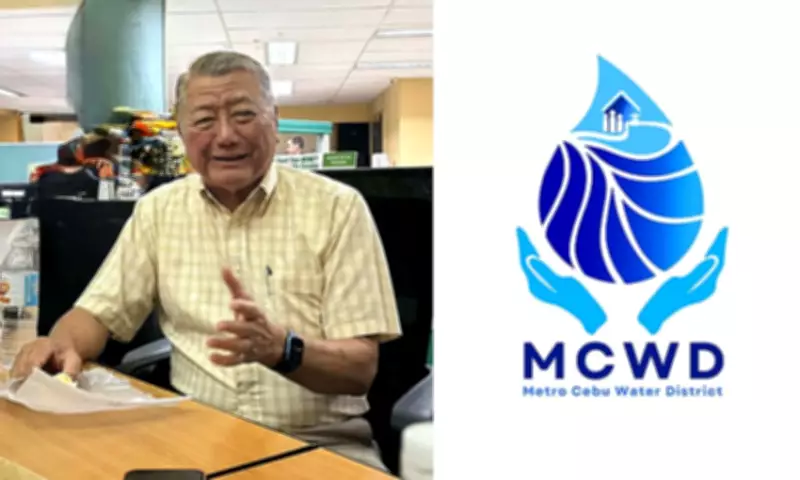
MCWD Chairman Almendras Exposes Severe Financial Crisis in Cebu Water District
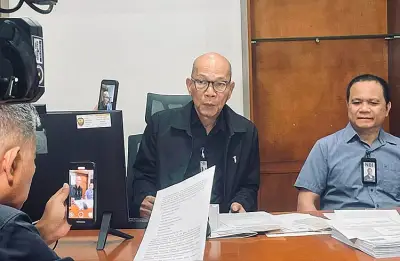
In a stark revelation at the Metropolitan Cebu Water District's monthly assembly on Monday, February 2, 2026, newly elected chairman of the board Ruben Almendras painted a grim picture of the company's financial health. Addressing officials and employees after the national anthem and prayer, Almendras detailed how the entity responsible for Metro Cebu's water supply is grappling with severe operational and monetary challenges.
The Alarming Financial Losses
Almendras, who had previously hinted at troubles by stating "Cebu, we have a situation at MCWD," provided concrete data this time. He disclosed that MCWD is "losing immensely and on negative cash flows," with revenue falling short of water production costs, resulting in no gross margin. Earlier, on January 12, while still a newly appointed director, he had used the phrase "severe financial losses" to describe the situation, emphasizing that the public has not been shown the full extent of the crisis.
At the assembly, specific numbers were revealed: MCWD produces or buys water from bulk suppliers at P35.70 per cubic meter but sells it at only P1.03 per cubic meter. Other reports suggest even higher costs, ranging from P43 to P78 per cubic meter. Cebu City Mayor Nestor Archival, citing Almendras's report, stated on Tuesday, February 3, that MCWD is losing P6.5 million daily due to non-revenue water (NRW)—water that is wasted and does not generate income, often failing to reach consumers' faucets.

The Non-Revenue Water Crisis
The NRW issue has been a persistent problem, with rates fluctuating over the years:
- 25.26 percent in 2020
- 28.9 percent in December 2025
- 32.8 percent in November 2025
- 32-35 percent from January to April 2025
Following typhoons in 2021 and 2022, NRW spiked to an all-time high of 49 percent. Causes include leaks, aging infrastructure, theft, and unauthorized water use, highlighting systemic inefficiencies that contribute to the financial drain.
Impending Water Rate Increases
With profitability as a top concern, Almendras announced that LWUA-approved rate hikes will commence in May 2026, approximately three months from the assembly date. This move aims to stem the negative cash flow and align MCWD's operations with profit-making goals. Consumers, who may have already noticed higher bills due to increased consumption—often from leaving faucets open in hopes of overnight water flow—should brace for a series of upcoming price adjustments as the new board seeks to normalize operations.
Hints of Corruption and Past Mismanagement
While Monday's report lacked specifics on fraud, Almendras hinted at deeper issues in earlier disclosures to News+One on January 14, 2026. He suggested that losses have persisted for years, possibly starting nine years ago in 2016 or earlier, with financial reports being "massaged" to conceal the true state. This raises critical questions:
- Where could corruption have thrived within MCWD?
- Who should be held responsible for these irregularities?
- Will accountability be enforced for past mismanagement?
Until Almendras provides more details, stakeholders and consumers are left to speculate on the extent of possible malfeasance.
Contrast with Previous Management's Assurances
In August 2025, the pre-Almendras management responded to Vice Mayor Tomas Osmeña's concerns with an official statement assuring the public that there was "no looming water district shutdown, no financial collapse, no basis for alarm." They claimed MCWD was operating under "normal conditions," a stark contrast to the current emergency and crisis mode described by Almendras. This discrepancy underscores the severity of the newly uncovered financial turmoil.
Almendras's Positive Outlook Amid the Crisis
Despite the bleak financial revelations, Almendras also shared some good news, indicating a path forward for MCWD. His leadership signals a shift towards transparency and corrective measures, aiming to restore stability and trust in Cebu's vital water services.