NBI Takes Initiative in Binaliw Landfill Tragedy Investigation
National Bureau of Investigation-Central Visayas (NBI-7) Director Jose Ermie Monsanto announced on Tuesday, January 27, 2026, that his office will conduct a thorough investigation into the catastrophic Binaliw landfill collapse. This proactive move comes despite the absence of any formal complaint or official request, highlighting the gravity of a disaster that claimed at least 36 lives and left 18 others injured.
City Council Declines Fact-Finding Role
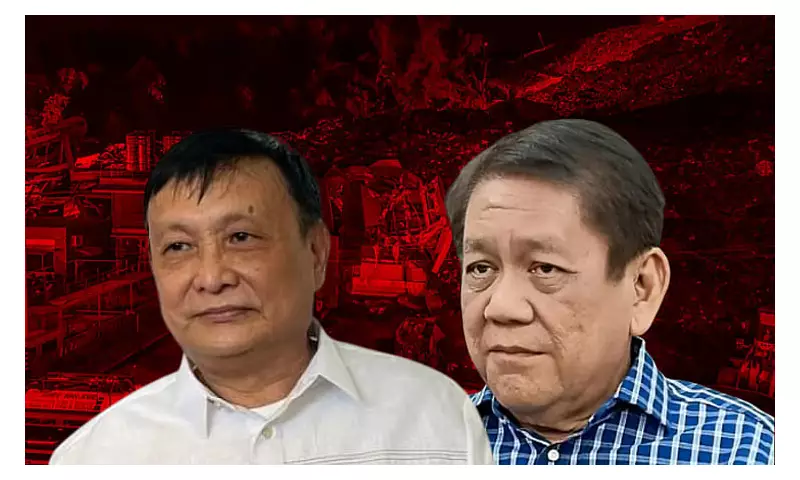
The NBI's decision follows the Cebu City Council's refusal to establish a legislative fact-finding body to examine the circumstances surrounding the tragedy. According to Councilor Pastor Alcover Jr., this rejection occurred despite growing public demand for accountability. Vice Mayor Tomas Osmeña has publicly opposed calls for a lawmakers' inquiry, arguing that such proceedings would not address the city's fundamental waste management challenges.
Osmeña maintains that the disaster resulted from technical failures falling under the jurisdiction of the Department of Environment and Natural Resources (DENR). He contends that complex technical matters cannot be resolved through public hearings, stating that even public officials struggle to explain such problems, let alone ordinary citizens.

Historical Parallels in NBI Action
This investigation mirrors previous NBI involvement in Cebu City's waste management controversies. In 2025, the bureau examined alleged overpayments of P239.72 million to private contractors for garbage collection services between January and August 2021. That investigation, initiated at the request of then-Mayor Michael Rama, led to criminal complaints filed before the Sandiganbayan against eight City Hall officials and three private contractors.
The current investigation differs significantly as it proceeds without any official request from city authorities. Neither Vice Mayor Osmeña nor Mayor Nestor Archival has reportedly sought NBI assistance regarding the landfill collapse.
Overlapping Investigations and Oversight Questions
Multiple agencies are now examining various aspects of the disaster. The DENR is conducting its own investigation while reviewing nationwide landfill operation regulations. The NBI will focus specifically on potential criminal liability of operators, regulators, and enforcers.
Despite Osmeña's reservations about legislative inquiries, the City Council possesses constitutional authority to examine policy implementation and oversee government spending. Councilors have both the right and responsibility to investigate management flaws and potential corruption in how public funds are utilized for waste management services.
Warning Signs Ignored Before Collapse
Public records reveal that regulatory violations were identified years before the catastrophic collapse. In 2019, the Environmental Management Bureau in Region 7 issued violation notices to the landfill operator for improper handling and missing monitoring reports. No corrective action followed, even when Prime Waste Solutions assumed control in 2023 and promised operational upgrades.
Additional warning signals included concerns from Consolacion residents about potential underground water contamination from landfill leachate and disclosures from Cebu City's own Solid Waste Management Board that the facility violated waste laws through untreated disposal practices.
Broader Implications and Historical Lessons
The Binaliw disaster echoes the 2000 Payatas landfill collapse in Quezon City, which claimed between 200 and 1,000 lives. While the death toll in Cebu is lower, the tragedy's impact remains devastating for affected communities. Current regulators and enforcers appear not to have learned from historical precedents, despite early warning signs at the Binaliw facility.
The City Council's oversight function extends beyond technical examination to encompass public safety concerns for both landfill workers and nearby residents affected by contaminated water supplies, foul odors, and potential disease vectors from improper waste disposal.

As multiple investigations proceed simultaneously, each agency brings distinct perspectives to the tragedy. The DENR focuses on regulatory compliance, the NBI examines criminal liability, and the City Council maintains responsibility for policy review and fiscal oversight. This multi-faceted approach may ultimately provide the comprehensive understanding necessary to prevent similar disasters in the future.