PHO Assumes Control of Carcar Hospital During Investigation into Teen's Tragic Death
The Provincial Health Office (PHO) has officially taken charge of overseeing daily operations at the Carcar City Provincial Hospital (CCPH) as authorities continue their investigation into the unfortunate passing of a 15-year-old road accident victim. This administrative intervention follows mounting concerns from the victim's family regarding potential medical negligence and what they describe as a "fatally delayed" hospital transfer process.
Governor's Directive and Family's Grief
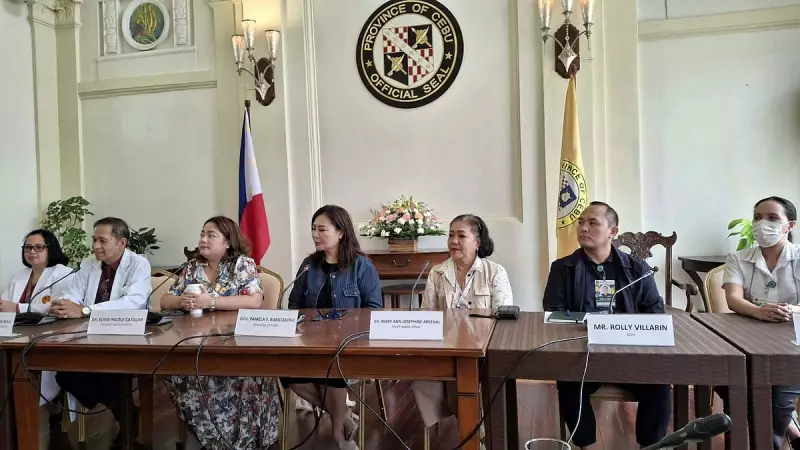
In a decisive move, Governor Pamela Baricuatro has appointed Dr. Josephin Arsenal, the current PHO chief, to directly manage the facility's functions. This action comes in response to the family's public outcry after their teenage son was rushed to the Carcar hospital on January 23, 2026, following a severe road collision, only to succumb to his injuries two days later.
The grieving relatives have voiced serious allegations that despite the boy's critical condition, the referral system to move him to a more specialized medical center in Cebu City experienced unacceptable delays. This incident represents the latest in a series of formal complaints lodged against the hospital over recent years, raising questions about patient care protocols.

Healthcare System Defends Referral Protocols
Health officials have moved to explain and defend the existing referral system, which operates under strict guidelines established by the Department of Health (DOH). According to Rolly Villarin of DOH-7, this structured approach aims to ensure organized and efficient patient transfers to larger tertiary hospitals like the Vicente Sotto Memorial Medical Center (VSMMC).
The protocol categorizes patients based on medical urgency:
- Critical/Severe Cases: Directed immediately to Level 3 hospitals equipped with specialized trauma and intensive care units.
- Normal/Stable Patients: Routed to Level 1 facilities for basic emergency treatment and monitoring.
Dr. Helen Madamba of VSMMC emphasized that this tiered system exists out of necessity, as their 500-bed facility consistently operates at full capacity. "Without proper referral coordination, ambulances would simply form endless queues at our Emergency Room entrance," she explained. "Patient admission isn't based on arrival order but rather on the clinical urgency of each case."
Broader Push for Healthcare Infrastructure Improvement
Governor Baricuatro has repeatedly highlighted the pressing need to upgrade medical facilities across Cebu Province, particularly those located outside metropolitan Cebu City. Her vision focuses on developing local healthcare capabilities so that residents in provincial areas can access life-saving treatments without enduring lengthy and potentially dangerous transfers.
Currently, the provincial government manages sixteen healthcare facilities throughout the region:
- Ten Infirmaries: Providing basic emergency medical services and initial stabilization.
- Four Level 1 Hospitals: Offering standard inpatient and outpatient medical care with laboratory and imaging support.
- Two Level 2 Hospitals: Equipped with intensive care units and advanced respiratory equipment for more complex cases.
As the investigation into the Carcar hospital incident progresses, provincial officials have pledged to continuously refine the healthcare referral network. Their stated goal remains ensuring that every resident of Cebu receives timely and appropriate medical attention, minimizing preventable treatment delays through systemic improvements.