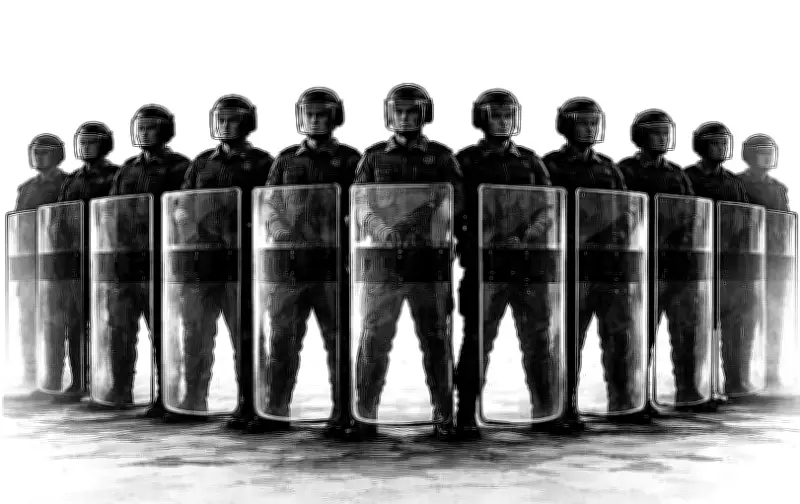
The Philippine National Police (PNP) has announced heightened alertness for potential protests and motorcades scheduled for Wednesday, March 11, 2026. This date marks the one-year anniversary of the detention of former President Rodrigo Duterte by the International Criminal Court (ICC) in The Hague, Netherlands. Under the leadership of Jose Melencio Nartatez Jr., the PNP is closely monitoring the situation to ensure public safety while respecting citizens' rights to peaceful assembly.
Key Cities Identified as Potential Protest Hubs
Metropolitan areas such as Metro Manila and Davao City are expected to be focal points for political demonstrations, given their historical significance in hosting events with deep political implications. The police emphasize their dual role: protecting the public and upholding the constitutional right to freedom of expression. This balance is crucial in a democratic society where protests serve as a legitimate avenue for voicing opinions.
Deepening Political Divisions Over Duterte's Legacy
The anniversary of Duterte's detention continues to exacerbate political divisions within Philippine society. On one side, certain sectors view him as a strong leader who implemented a rigorous campaign against crime. Conversely, other groups criticize his policies, linking them to alleged human rights violations that are now under scrutiny by the ICC. These contrasting perspectives fuel the ongoing debate and underscore the polarized nature of the political landscape.

Legal Framework and Responsibilities in Protests
In a democracy, protesting is a legal and legitimate method of expressing dissent. However, it must not escalate into disorder, disrupt community activities, or worsen political tensions. The responsibility for maintaining peace extends beyond law enforcement to include protest organizers and participants. While the right to protest is protected, it comes with the obligation to respect laws and the welfare of others.
The PNP has reiterated its commitment to employing "maximum tolerance" in handling demonstrations, a principle rooted in legal standards rather than emotional or political biases. This approach requires police presence to remain professional and disciplined, ensuring that interventions are proportionate and justified. By adhering to these guidelines, authorities aim to prevent violence and uphold public order without infringing on civil liberties.
As the anniversary approaches, the situation highlights the delicate interplay between security measures and democratic freedoms. The PNP's preparations reflect a broader effort to navigate these complexities, emphasizing dialogue and legal compliance over confrontation. Ultimately, the outcome will depend on the cooperation of all parties involved in fostering a peaceful and respectful environment for political expression.