DILG Secretary Jonvic Remulla Directs LGUs to Ensure Clear Roads for Holy Week Exodus
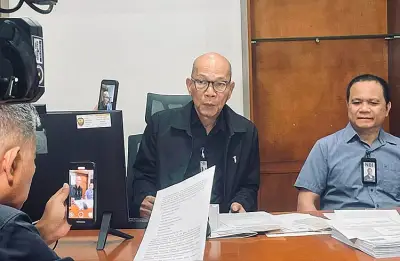
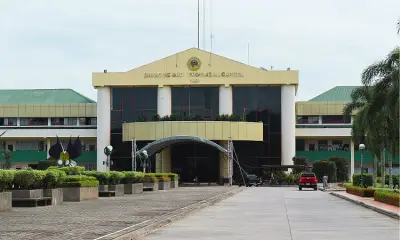
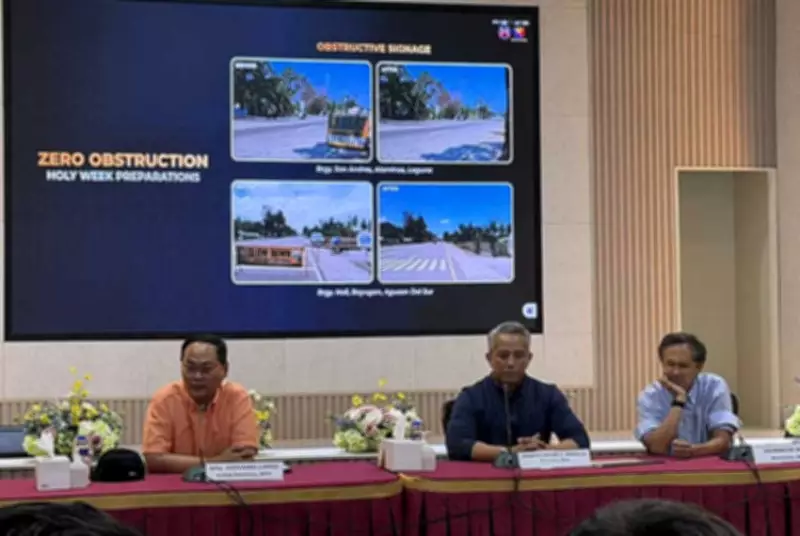
MANILA - In a significant inter-agency press conference held at Camp Crame on Tuesday, March 31, 2026, Department of the Interior and Local Government (DILG) Secretary Jonvic Remulla issued a clear directive to all local government units across the Philippines. The Secretary emphasized the critical need to maintain obstruction-free major thoroughfares to facilitate smooth traffic flow during the upcoming Holy Week exodus, when millions of Filipinos are expected to travel for the holiday break.
Government Coordination for Safe Travel
Secretary Remulla was joined by key officials from multiple government agencies, demonstrating a unified approach to managing the anticipated travel surge. Present at the conference were Department of Transportation (DOTr) Secretary Giovanni Lopez, Department of Public Works and Highways (DPWH) Secretary Vince Dizon, and Philippine National Police (PNP) Chief General Jose Melencio Nartatez Jr. This collaborative effort underscores the government's commitment to ensuring safe and efficient travel for all citizens during this peak period.
"I am calling on all local government units to do their part in keeping all our major thoroughfares free of obstructions," Remulla stated emphatically. "This is our obligation to our citizens and to everyone who is traveling." The Secretary highlighted that the DILG, DOTr, DPWH, and PNP are working in close coordination to implement comprehensive measures that address potential traffic bottlenecks and safety concerns.

Specific Measures Announced by Agency Heads
DPWH Secretary Vince Dizon announced the suspension of all ongoing road construction projects during Holy Week to prevent additional traffic disruptions. "The important thing is that there should be no one-way schemes during Holy Week," Dizon explained. "That's our main instruction because one-way traffic actually slows down the flow—when it's implemented, vehicles stop and go, especially during Holy Week, when traffic can stretch for kilometers."
Dizon further elaborated on the economic implications of traffic congestion, noting that obstruction-free streets help reduce fuel consumption at a time when global oil prices are affected by conflicts in the Middle East. "Less time on the roads means less fuel consumption and less expenses for our fellow citizens," he added, connecting transportation efficiency with household economic relief.
PNP Deployment and Public Cooperation
PNP Chief General Jose Melencio Nartatez Jr. detailed the police force's preparations, including increased coordination with barangay officials to clear roadsides of various obstructions. "Farmers who are drying their rice on the highway will be asked to do it on another day," Nartatez stated, addressing a common rural practice that contributes to traffic hazards. "All other obstructions on the road including traffic flow direction and control will be managed."
The PNP has substantially boosted its deployment numbers for the Holy Week period, increasing from 60,000 to nearly 100,000 personnel nationwide. This enhanced presence aims to ensure rapid response to emergencies and maintain public order. General Nartatez encouraged citizens to report any complaints or issues via the 911 hotline, assuring that the PNP remains fully prepared to handle any eventualities during the travel rush.
Broader Implications and Public Response
This comprehensive government initiative reflects a proactive approach to managing seasonal travel challenges that have historically plagued Philippine roads during holiday periods. By addressing both infrastructure and enforcement aspects, the agencies involved seek to minimize travel delays, reduce accident risks, and alleviate the economic burden on travelers facing rising fuel costs.
The press conference concluded with a unified message from all agency heads: a commitment to work tirelessly through the Holy Week period to ensure that Filipinos can travel safely and efficiently to their destinations. As millions prepare for their journeys, these coordinated measures represent a significant step toward improving the national travel experience during peak seasons.