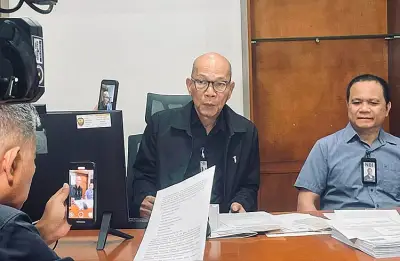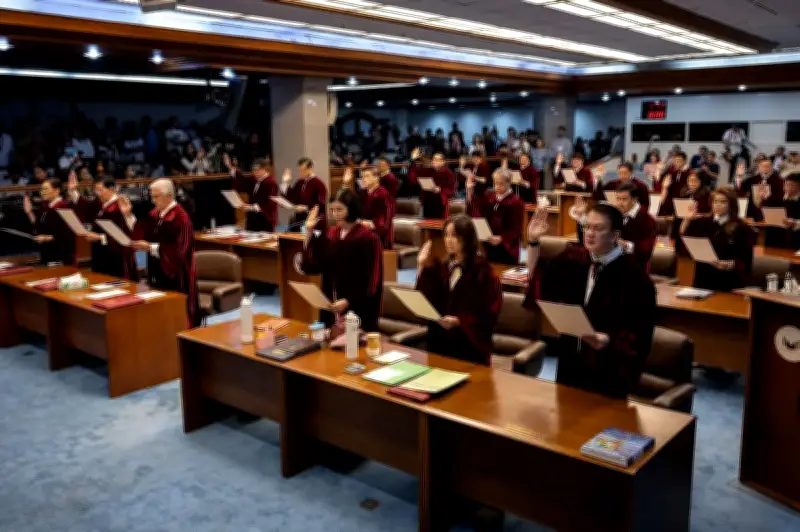
The Senate is hoping to expedite the impeachment trial of Vice President Sara Duterte to prevent disruptions in discussions on the national budget, priority legislation, and other investigations being pursued by the institution, according to Senate President Sherwin Gatchalian.
Gatchalian urges shorter trial schedule
Gatchalian said they are encouraging both the prosecution and defense to shorten the trial schedule by reducing the number of trial days and witnesses who will only give corroborative testimonies. “If there are witnesses whose statements are merely corroborative, these can be reduced to speed up the proceedings,” he said. He emphasized that while the impeachment court cannot dictate the strategies of either side, they are appealing for a more efficient presentation of evidence and witnesses.
Impact on legislative agenda
The Senate president stressed the importance of finishing the trial quickly because it coincides with the Senate’s deliberation on the proposed 2027 national budget, priority bills under the Legislative-Executive Development Advisory Council (LEDAC), and pending investigations such as those on flood control projects, the Tacloban school shooting, and issues surrounding the Bureau of Internal Revenue (BIR) letter of authority.

Pre-trial issues to be resolved first
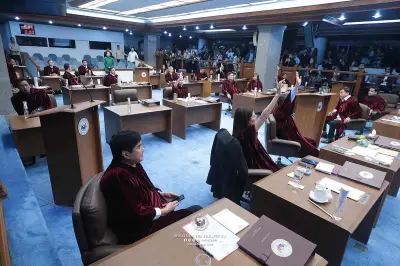
Gatchalian said that when the impeachment trial opens this Monday, the initial focus will be on preliminary processes and resolving issues left from the pre-trial conference. The House prosecution panel and the defense panel will first deliver their opening statements before the impeachment court addresses matters raised in the pre-trial conference and the pre-trial order. He declined to preempt the decisions of the senator-judges on these issues, including the matter of the sealed box of documents from the BIR, which remains in the custody of the Senate.
Actual presentation to start Tuesday
According to Gatchalian, the actual presentation of witnesses and evidence before the impeachment court is expected to begin on Tuesday. Meanwhile, the prosecution and defense have agreed that Filipino, English, and Taglish may be used during the hearings to make the proceedings easier for the public to understand.