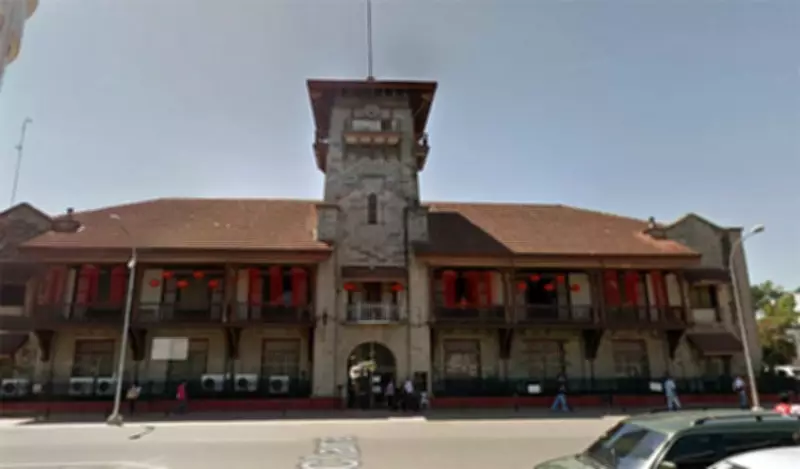
Zamboanga City Hall Adopts Four-Day Workweek Schedule
The City Government of Zamboanga has officially implemented a four-day workweek, in compliance with a memorandum circular issued by President Ferdinand Marcos Jr. This significant change took effect on Monday, March 9, 2026, aligning with the nationwide presidential order aimed at addressing economic and energy challenges.
New Work Schedule Details
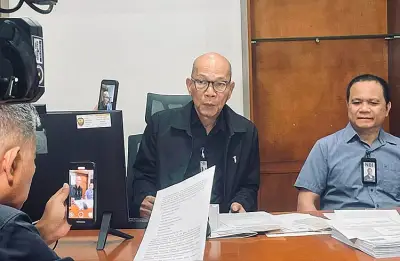
Mayor Khymer Olaso announced that the new work schedule runs from 8 a.m. to 7 p.m., Monday through Thursday. This adjustment is part of broader contingency measures to mitigate the impact of the ongoing Middle East crisis on the Philippines. Notably, Muslim employees will have a modified schedule during the holy month of Ramadan, working from 7:30 a.m. to 5:30 p.m. to accommodate religious observances.
Energy-Saving and Monitoring Initiatives
In addition to the schedule change, Mayor Olaso has instructed department heads to adopt further energy-saving measures. These include limiting the use of air conditioning units, reducing official employee travels, and curbing the use of government vehicles. The goal is to enhance efficiency and reduce operational costs during this period of global instability.

It is important to note that government agencies providing emergency or essential services, such as police, firefighters, and frontline public service offices, are exempt from this four-day workweek. This ensures that critical functions remain uninterrupted for public safety and welfare.
Price Monitoring and Consumer Protection
Simultaneously, Mayor Olaso convened the Local Price Monitoring Council (LCP) on March 9 to develop strategies against overpricing and potential trade abuses arising from the Middle East crisis. He has directed city offices and regional line agencies to strengthen inspection and monitoring activities to ensure price stability and protect local consumers.
Concerned agencies are required to submit monitoring reports promptly after each assessment, enabling the City Government to implement timely and appropriate measures as needed. This proactive approach aims to safeguard the local economy and maintain fair market practices during these challenging times.