Zamboanga City Government Reinstates Traditional Eight-Hour Work Schedule
The City Government of Zamboanga has officially returned to the standard eight-hour work schedule from Monday to Friday, with the change taking effect on March 16, 2026. This decision marks a reversal from the compressed four-day workweek that was briefly implemented just one week prior, following a memorandum circular issued by President Ferdinand Marcos Jr.
Administrative Oversight and Service Efficiency Cited as Key Factors
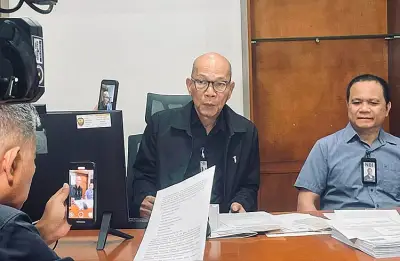
In a statement released on Tuesday, March 17, the City Human Resource Management Office (CHRMO) clarified that the reversion aligns with Mayor Khymer Olaso's administrative supervision over personnel and operations, adhering to civil service rules and regulations. The shift back to the regular schedule applies to all city government employees who were previously under the compressed workweek arrangement, ensuring uniformity across departments.
The CHRMO emphasized that the return to the standard 8 a.m. to 5 p.m., Monday to Friday schedule was motivated by concerns over service efficiency and public accessibility to government services. This move aims to optimize operational workflows and maintain consistent service delivery for Zamboanga residents.

Formal Notification to National Authorities
Mayor Olaso formally communicated the revised work schedule in a letter dated March 16, addressed to the Department of the Interior and Local Government (DILG) Secretary through the DILG-Zamboanga City Office. This step ensures transparency and compliance with higher administrative protocols.
Alvin Rex Lucero, officer-in-charge of the DILG City Office, confirmed that the letter has been received and forwarded to the DILG Central Office via the Regional Office. This action is intended to inform the Secretary and seek any necessary guidance on the matter, highlighting the procedural diligence involved in the schedule adjustment.
The swift transition back to the traditional workweek underscores the city government's responsiveness to operational assessments and its commitment to balancing employee arrangements with public service demands. This development reflects ongoing adjustments in local governance strategies to enhance effectiveness and community engagement.