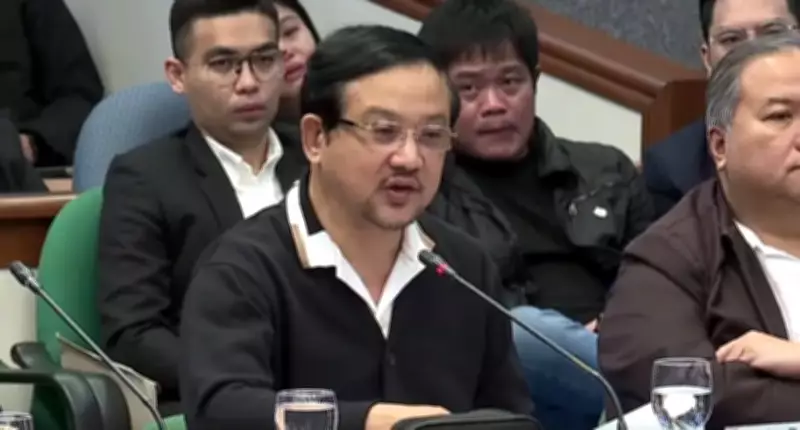
Former DPWH Undersecretary Testifies in Anti-Graft Court on Malversation Charges
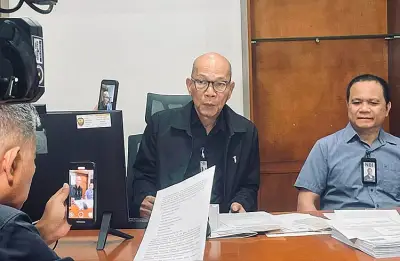
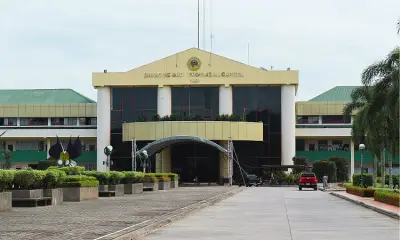
In a significant development in a high-profile corruption case, former Department of Public Works and Highways (DPWH) Undersecretary Roberto Bernardo appeared before the Sandiganbayan Sixth Division on Tuesday, March 17, 2026. Bernardo served as a key witness in malversation charges filed against nine officials from the DPWH-MIMAROPA region, marking a pivotal moment in the ongoing legal proceedings.
Details of the Case and Bernardo's Testimony
The case centers on allegations of irregularities in a road dike project located in Oriental Mindoro, which is part of a broader flood control scam that has drawn public scrutiny. Bernardo, who is currently under the Witness Protection Program (WPP), provided testimony that directly implicates several of the accused officials from DPWH-MIMAROPA. His appearance in court underscores the gravity of the charges, which involve the misappropriation of public funds intended for infrastructure development.
During the hearing, Bernardo pointed to specific individuals allegedly involved in the anomalies, though the officials have previously pleaded not guilty to both malversation and graft charges in the Sandiganbayan. This testimony is expected to play a crucial role in the court's evaluation of the evidence, as it adds firsthand accounts to the documented allegations of corruption.

Background and Legal Context
The malversation charges stem from a road dike project that was supposed to enhance flood control measures in Oriental Mindoro, a region prone to natural disasters. Investigations revealed potential discrepancies in the project's implementation, leading to accusations that funds were diverted or misused. The involvement of DPWH-MIMAROPA officials has raised concerns about accountability within government agencies tasked with public works.
Bernardo's decision to testify under the WPP highlights the risks associated with whistleblowing in corruption cases, as it provides him with legal protections while aiding the prosecution. The Sandiganbayan, as the Philippines' anti-graft court, is handling this case with careful attention to due process, given its implications for public trust in government institutions.
Implications and Next Steps
This testimony could significantly impact the outcome of the trial, potentially leading to convictions if the evidence is substantiated. The case is part of a larger effort to combat corruption in public infrastructure projects, which often involve substantial budgets and affect community safety. Observers note that successful prosecution in such cases may deter future malpractices and promote transparency in government spending.
As the legal process continues, further hearings are scheduled to examine additional evidence and testimonies. The public and media are closely monitoring developments, as this case reflects broader issues of governance and integrity in the Philippines' public sector.