Gonzales' Repeated 'Binigyan Ko' Phrase in Interview Draws Intense Scrutiny Over Public Funds Mindset
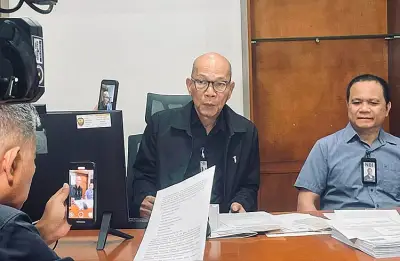
The recent uncut interview of former Representative Aurelio "Dong" Gonzales Jr. on CLTV36 has ignited a significant debate in political circles, with his repeated use of the phrase "binigyan ko" becoming a focal point of analysis. Local media coverage has already begun examining the implications of this linguistic pattern, which aired without edits and has since sparked widespread discussion.
The Psychological Implications of Ownership Language
Political analysts and language experts have noted that Gonzales' persistent repetition of "binigyan ko" during the interview reveals more than just a speaking habit. This phrase, which translates to "I gave," appears to function as a reflexive claim of ownership over public resources. Rather than demonstrating humility, this language pattern exposes what critics describe as a troubling mindset regarding the relationship between political power and public money.
Each utterance of "binigyan ko" during the interview reads like a confession of a particular worldview. The language frames government allocations as personal largesse, as if disbursed from a private purse rather than from taxpayer contributions. This is not merely a verbal slip but appears to represent a fundamental perspective on governance and resource distribution.

Twelve Critical Perspectives on the Phrase's Implications
Observers have identified multiple concerning aspects of this linguistic pattern:
- Ownership Depiction: The repeated "binigyan ko" transforms public allocations into personal gifts, fundamentally misrepresenting the nature of government resources.
- Patronage Normalization: This phrase echoes traditional patron-client dynamics, positioning politicians as benefactors and citizens as dependents, which undermines democratic accountability.
- Evasion Through Generosity: The language allows officials to claim credit while avoiding questions about proper processes, procurement procedures, and oversight mechanisms.
- Psychology of Entitlement: The wording betrays a mindset that equates political office with proprietorship, creating dangerous implications for public trust.
- Communication Consequences: When leaders speak as if funds are theirs to "give," constituents learn to expect favors rather than systematic services.
- Deflection Through Benevolence: "Binigyan ko" functions as a rhetorical shield that reframes criticism into expected gratitude, silencing legitimate scrutiny.
- Institutional Weakening: Repeated personalization of funds undermines institutional norms and processes, prioritizing relationships over rules.
- Governance Branding Problem: This language patterns brands governance as transactional rather than emphasizing public duty and service.
- Civic Education Failure: The phrase reveals gaps in public understanding about government funding sources and management principles.
- Accountability Undermining: When officials claim they "gave" funds, tracing responsibility becomes more difficult, muddying accountability lines.
- Symbolic Violence: There's subtle coercion in framing citizens as recipients of favors rather than rights-holders, corroding civic agency.
- Need for Reform: Addressing this issue requires both linguistic changes and institutional strengthening for greater transparency.
The Path Toward Linguistic and Institutional Reform
Experts suggest that addressing this linguistic pattern requires conscious effort toward language reform among public officials. Instead of using phrases like "binigyan ko," officials should employ more appropriate terminology such as "allocated," "released," or "approved" when discussing public funds. This language shift should be accompanied by stronger institutional safeguards including clear budget processes, regular public audits, and plain-language explanations of how taxpayer money is managed and distributed.

The controversy takes on additional significance given Gonzales' previous denials of being what critics have called a "Congtractor." Many observers note that the interview appears to contradict these denials, revealing through language patterns what they describe as a contractor-like mentality toward public resources. This incident highlights the importance of language in political culture and its role in either strengthening or undermining democratic accountability systems.