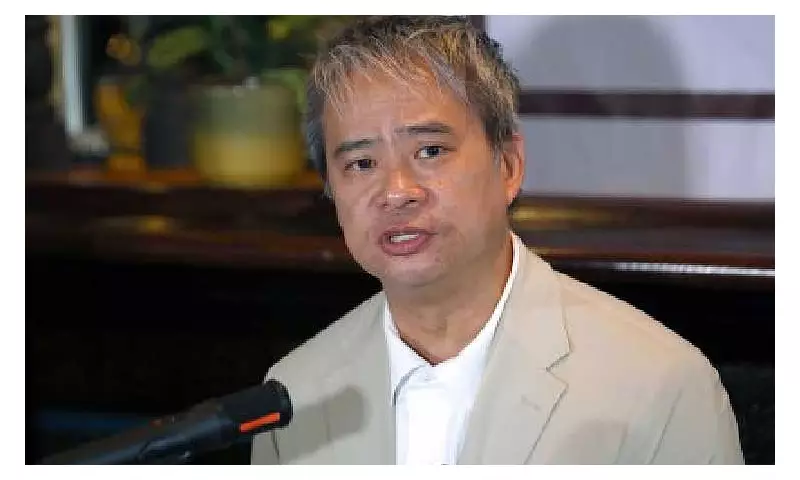
Senator Villanueva Denies Involvement in Ghost Flood Control Projects
Senator Joel Villanueva has taken a significant legal step by filing a counter-affidavit to refute allegations connecting him to ghost flood control projects, as confirmed by the Department of Justice on Friday. This move comes ahead of a scheduled preliminary investigation, marking a critical development in the ongoing corruption case.
DOJ Confirms Filing Ahead of Preliminary Investigation
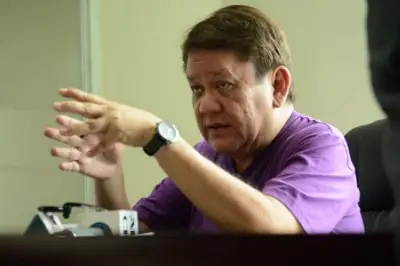
DOJ spokesperson Polo Martinez verified the submission in a message to reporters, stating, "He filed his counter-affidavit ahead of the preliminary investigation this Monday." The senator personally appeared before the DOJ to submit the document but opted not to address the media regarding the filing, maintaining a low profile amidst the legal proceedings.
Separate Graft Complaint and Extended Deadline
Earlier this month, Villanueva's legal team submitted another counter-affidavit for a distinct graft complaint involving alleged kickbacks of approximately P150 million from a flood control project. Originally, the senator had until January 26 to file his response, but he chose to act sooner, demonstrating a proactive approach to the accusations.

Background on Malversation Complaints and Witness Testimony
Villanueva is named as a respondent in malversation complaints related to companies Wawao Builders and Topnotch Catalyst Builders Inc. The allegations gained traction after state witness and former Bulacan district engineer Henry Alcantara testified before the Senate in September, claiming that Villanueva received commissions delivered to a rest house in Bocaue, Bulacan. Alcantara asserted that these payments were accepted by an individual named "Peng," identified as Villanueva's personnel, adding a layer of complexity to the case.
This filing underscores the senator's firm denial of any wrongdoing as the investigation progresses, with potential implications for political and legal outcomes in the Philippines.