In the early 1980s, as a university student, I first learned to voice my dissent. The Philippines was deep into the second decade of rule under Ferdinand Marcos Sr., the "original Macoy." Despite years of education under his regime's influence, a rebellion stirred within me. I found myself marching in rallies, protesting the dictatorship Marcos had cemented. When these mass actions failed to topple the government, my commitment led me to the countryside, driven by a fervent desire to reshape Philippine society for the better. Yet, as the old adage goes, the more things change, the more they stay the same.
A New Generation, An Old Struggle
Today, decades later, a fresh wave of rallyists fills the streets, their anger directed at the persistent corruption within the government bureaucracy. My perspective, however, has shifted. Now a senior citizen and largely homebound, the fiery passion of my youth has dimmed, partly by choice and partly by circumstance—the financial freedom my parents' allowance once provided for such outings is gone. In a twist of fate, I find myself more sympathetic to the Marcos legacy now than supportive of the Duterte brand. Politics makes strange bedfellows, and sometimes, the enemy of your enemy becomes your friend. Furthermore, I see Ferdinand "Bongbong" Marcos Jr. as operating with a more liberal democratic approach than the authoritarian ruler we once despised.
The Road Not Taken: Reflections on 1986 and Beyond
My mind often wanders to a pivotal moment: the 1986 EDSA People Power Revolution. I ponder whether the Left's strategic missteps during that uprising altered our nation's trajectory. Could the deep-seated government corruption—what we then called "bureaucrat capitalism"—have been avoided? This is a rhetorical question with as many answers as there are viewpoints. My own conclusion is that corruption would likely have persisted, though perhaps on a narrower scale.

This lifelong observation has taught me a sobering lesson: no single individual can single-handedly redirect the course of society. Even in communist states, bureaucratic graft finds a way. The idealistic dream of my youth—a purely pro-people government—now seems a mirage. I've come to realize that such a pristine form of governance is unattainable without sustained, unified pressure from the populace. And that level of true, lasting unity remains an elusive ideal.
Juntas, Democracy, and the Slow Path Forward
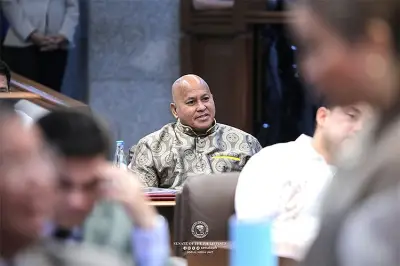
A recent revelation by Senator Panfilo Lacson, a man I consider a straight shooter, underscores the dangers of seeking swift, radical solutions. He admitted being approached to join a proposed civilian-military junta that would take power if the current administration fell. While one might trust Lacson's integrity, what of the other potential junta members? And how long would their promise of a clean government last before old habits resurface?
This potential for volatile change is precisely why my views have evolved. Despite its evident flaws and weaknesses, I now favor the current liberal democratic system. The peril of radical overhaul is the bloodshed required to achieve it, with no guarantee that the new order wouldn't eventually succumb to the same cycle of bureaucratic corruption. Would such a violent struggle ultimately prove to be much ado about nothing?
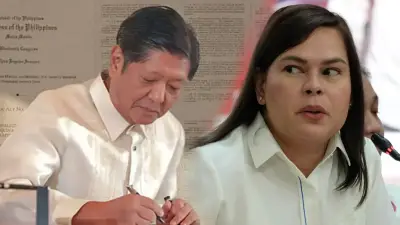
The slower, less dramatic path of electoral change now seems the wiser course. We can work to replace President Bongbong Marcos with a new leader in 2028, striving to elect someone with cleaner credentials. If we falter in that selection, the system affords us another chance six years later. We endure, we learn, and we start anew. It is a gradual, often frustrating process, but the alternative—a bloody revolution—carries the risk of setting the nation back by decades if it fails. This is the enduring, challenging journey of a democracy striving to better itself.