It is easy to forget, in a city that moves with heat and habit, that people are not arranged by agreement. They are placed side by side by chance, by work, by school, by the simple need to keep going. Morning arrives the same way for everyone, traffic builds the same way, and the day asks the same quiet endurance from each person who steps into it.
Yet a single opinion, spoken aloud or typed in passing, can redraw those invisible lines. Suddenly, a person is no longer just a neighbor, a classmate, or a familiar face across the room. They become a position to be corrected, or worse, a target to be diminished. Why does it have to turn into harassment? Why must disagreement be sharpened into something personal, something meant to wound? It is as if the weight of an argument is no longer measured by its reason, but by how loudly it can silence someone else.
The Danger of Reducing People to Labels
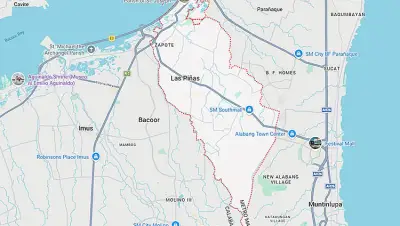
There is also something unsettling about how easily a place can be labeled, how quickly a city can be reduced into a "politician's city," as though its people were extensions of a single name. It creates an image that feels convenient but untrue. It ignores the quieter realities that do not trend or go viral. The different opinions held in the same classroom. The hesitation before speaking up. The private conversations that carry more nuance than any public post ever could. A city is not a ballot. It is a collection of lives that rarely agree in full.

The Habit of Pushing People Out
And then there is the habit of pushing people out altogether. Persona non grata — the phrase sounds formal, almost distant, but its meaning is sharp. It is used not only for political opponents but for celebrities, musicians, and anyone who steps outside what is expected of them. It closes the door instead of asking why it needed to be opened in the first place. It suggests that one mistake, one unpopular stance, is enough to erase a person's place in the community. That there is no room for dialogue, only removal.
Everyday Coexistence
Still, daily life continues in ways that resist this kind of thinking. People share rides without asking about beliefs. They sit beside each other, pass coins, make small talk about the weather or the price of food. In these small, ordinary moments, coexistence feels natural, almost effortless. It does not demand agreement. It only asks for a kind of quiet respect.
Maybe that is what gets lost in all the noise. Not the ability to argue, but the ability to remain human while doing so. To recognize that a different opinion is not an invitation to harass, that a city cannot be owned by a single political identity, and that no one should be so easily cast out for thinking differently. In the end, the strength of a place is not in how unified it appears, but in how it holds together despite its differences.