Political Turmoil Rocks Malacañang Nine Years After Marcos Burial
Nine years after the controversial burial of former dictator Ferdinand Marcos Sr. at the Libingan ng mga Bayani, the Philippines finds itself in a familiar political crisis. The hero's burial, which occurred on November 18, 2025, marked a significant turning point in the Marcos family's political comeback, ultimately paving the way for Ferdinand "Bongbong" Marcos Jr.'s ascent to the presidency.
The Deal That Brought Marcos Back to Power
According to political observers, the burial was made possible through an arrangement with former president Rodrigo Duterte. The alleged agreement involved Duterte facilitating the hero's burial for Marcos Sr., while the Marcoses promised protection from prosecution for Duterte and his family. In return, the Marcos political machinery would help usher Ferdinand Marcos Jr. into Malacañang as Duterte's successor.
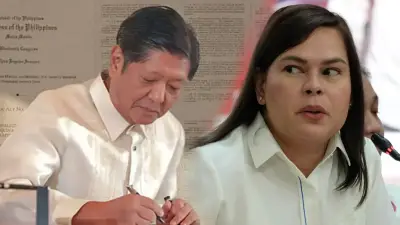
However, nine years later, that political bargain has dramatically collapsed. President Ferdinand Marcos Jr. has reportedly reneged on his promise of protection for the Dutertes, creating a rift between the two powerful political families.

Consolidating Power Through Corruption Exposés
Much like his father's regime, which concentrated wealth and power among family members and cronies, Marcos Jr.'s administration appears to be following a similar pattern. The current president has been accused of attempting to consolidate corruption among his allies by systematically exposing the wrongdoings of political rivals.
This strategy has backfired as targeted politicians have begun revealing damaging information as a means of self-preservation. What's emerging is a picture of Marcos Jr. as the approving authority behind numerous fraud-ridden infrastructure projects funded through unprogrammed monies.
The revelations have fueled public anger, particularly as Filipinos struggle with economic challenges while witnessing what they perceive as profligate lifestyles among corrupt bureaucrats and their business partners.
History Repeating Itself, But Faster
The dictator's son now finds himself in a political maelstrom strikingly similar to what his father experienced—but with one crucial difference. The political tumults that marked the final three years of Marcos Sr.'s rule are already rocking Marcos Jr. after just three years and four months in office.
The people's response has been immediate and powerful. Massive protest actions reminiscent of the early 1980s are spreading across the nation as citizens unleash their outrage against perceived corruption and abuse of power.
Several critical questions now loom over Malacañang:
- Will Marcos Jr. be forced to resign like some close members of his political clique?
- Could he be booted out of office like his dictator-father during the People Power Revolution?
- Might he call for a snap election that he would likely lose?
The manifestations of people power have created a political environment ripe with possibilities. As the saying goes, history has a way of coming back to bite you. Marcos Jr., whose rise to national power was paved by an undeserved hero's burial for his dictator-father, now faces the looming possibility of an early demise to his own political career.