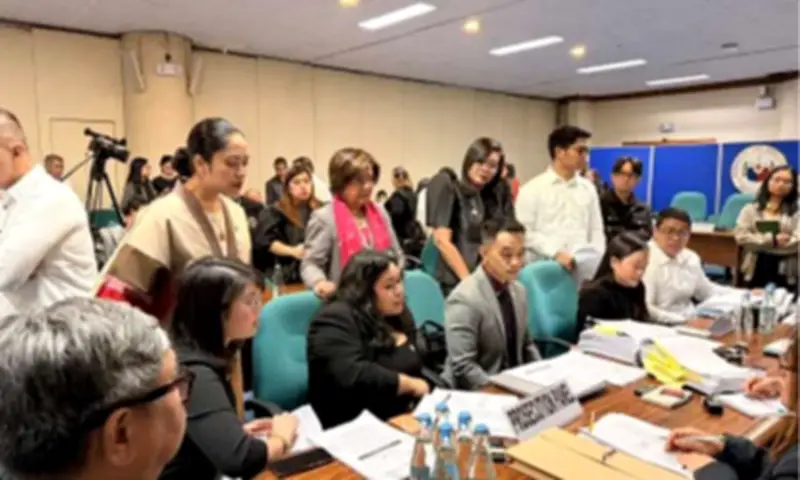
The Senate has completed the pre-trial conference in the impeachment case against Vice President Sara Duterte, bringing the proceedings a step closer to the trial proper scheduled to begin on July 6.
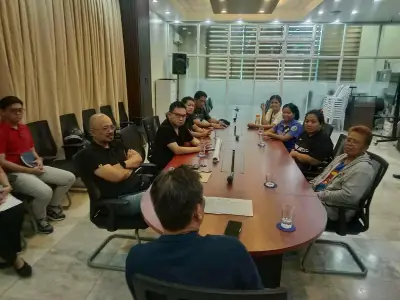
After five working sessions from June 18 to 25, the Senate Impeachment Court concluded the pre-trial conference, which centered on the marking and evaluation of documentary evidence submitted by both the House prosecution panel and the Vice President's defense team.
Pre-Trial Order Drafting Underway
Senate Secretary and Clerk of the Impeachment Court Renato Bantug Jr. said court personnel would immediately begin drafting the Pre-Trial Order, the document that will govern how the impeachment proceedings will unfold.

The conclusion of the pre-trial marks the end of the organizational stage of the impeachment case. The next phase shifts the focus from preparing the evidence to presenting it before the senator-judges.
How the Case Reached the Senate
The impeachment process began at the House of Representatives, which approved the Articles of Impeachment against Duterte on May 11 before formally transmitting them to the Senate on May 14. On May 18, the Senate convened as an impeachment court.
The senators present took their oath as senator-judges before the court issued a writ of summons directing Duterte to answer the Articles of Impeachment within the period prescribed under the Senate Rules of Procedure on Impeachment Trials.
Then Senate President Alan Peter Cayetano, presiding over the impeachment court, also authorized the Clerk of Court to calendar the case for pre-trial after the parties completed their pleadings.
Purpose of the Pre-Trial
Under the Senate impeachment rules, the pre-trial is intended to simplify the proceedings before the trial proper begins. Instead of hearing witnesses immediately, the prosecution and defense first identify and mark documentary evidence, disclose the witnesses they intend to present, discuss facts that are no longer disputed, and resolve procedural issues that may affect the conduct of the trial.
During the five-day conference, the proceedings focused largely on the preliminary marking and evaluation of documentary evidence. Bantug said completing that process now allows the impeachment court to prepare the Pre-Trial Order.
"It looks like we'll be able to complete the marking tonight. We're very, very hopeful and optimistic that we'll be able to complete the marking of all documentary evidence," Bantug said after the final day of the conference.
He said he could not yet estimate when the Pre-Trial Order would be released because drafting has yet to begin. He, however, assured that court personnel would finish it as quickly as possible, even if they have to work through the weekend.
Importance of the Pre-Trial Order
According to the Senate impeachment rules, the Pre-Trial Order defines the framework of the impeachment proceedings. It identifies the issues that the impeachment court will resolve, the documentary evidence recognized by both parties, the witnesses expected to testify, stipulations reached during pre-trial, and other matters intended to ensure an orderly presentation of the case.
Unless modified by the impeachment court, the Pre-Trial Order serves as the principal guide for the remainder of the proceedings.
What Happens When the Trial Starts
The impeachment trial proper is scheduled to begin on July 6. The House prosecution panel, led by Batangas Rep. Gerville Luistro, is expected to present its opening statement before calling witnesses and offering documentary evidence in support of each Article of Impeachment.
After the prosecution rests its case, Duterte's defense team, headed by lead counsel Sheila Sison, will present its own witnesses and evidence. Under the Senate impeachment rules, senator-judges do not directly examine witnesses. Instead, they submit written questions through the Presiding Officer.

How the Senate Will Decide
Once both parties finish presenting their evidence and closing arguments, the impeachment court will deliberate before voting on each Article of Impeachment. Article XI, Section 3(6) of the 1987 Constitution provides that no impeached official may be convicted without the concurrence of two-thirds of all the members of the Senate. In the current 24-member Senate, that means at least 16 votes are required to convict.
If Duterte is convicted on any Article of Impeachment, she will be removed from office. The Senate may also impose the additional penalty of perpetual disqualification from holding any public office. If acquitted, Duterte will remain Vice President.
The Constitution also makes clear that impeachment is limited to removal from office and possible disqualification. Whether the allegations give rise to criminal or civil liability remains a separate matter that may be pursued before the proper courts after the impeachment proceedings, if warranted.