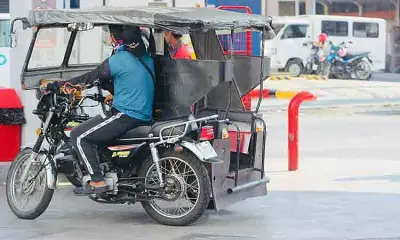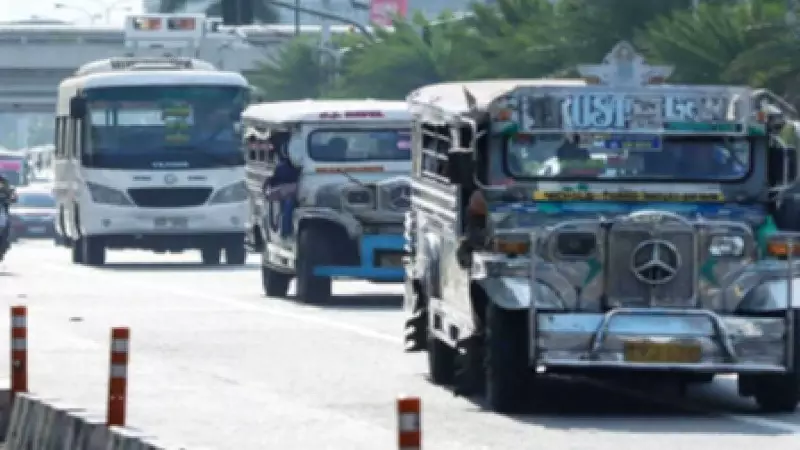
In response to ongoing concerns over soaring fuel costs, the Philippine government has officially launched its Service Contracting Program (SCP), with over 19,000 public utility vehicles (PUVs) hitting the roads nationwide starting this Monday. This initiative aims to provide reliable transportation options for commuters while supporting drivers financially during challenging economic times.
Program Details and Vehicle Participation
According to data released by the Department of Transportation (DOTr), the registered vehicles include a mix of traditional jeepneys, modern jeepneys, and UV Express units. Under the SCP, the government will directly compensate drivers based on the distance traveled, with specific rates set to ensure fair remuneration.
Payment Structure and Routes
Traditional jeepneys will receive P30 per kilometer, modern jeepneys P40 per kilometer, and buses P100 per kilometer. These contracted drivers will operate on more than 800 high-density routes across the country, with 545 of these routes concentrated in Metro Manila and neighboring provinces such as Cavite, Laguna, and Rizal.

Requirements for Drivers and Commuters
To participate in the program, drivers are required to travel a minimum of 100 kilometers daily and provide a 20% fare discount to passengers. This discount is designed to alleviate the financial strain on commuters, making public transport more affordable amidst rising living costs.
Program Duration and Implementation
The Service Contracting Program is scheduled to run for two to three weeks. President Ferdinand Bongbong Marcos Jr. emphasized that the SCP will be implemented during off-peak hours to ensure that commuters have access to transportation even after rush hours have ended, addressing gaps in service availability.
Impact on Public Transport
This move is part of broader efforts to stabilize the public transport sector, which has been heavily impacted by fluctuating fuel prices. By incentivizing drivers through direct payments and encouraging ridership with discounts, the government hopes to maintain essential services and reduce congestion during peak times.
As the program rolls out, authorities will monitor its effectiveness in meeting commuter needs and supporting the livelihoods of PUV operators, with potential adjustments based on feedback and operational data.