Around 205 families, including multigenerational broom makers, in Barangay Paknaan, Mandaue City, face displacement as the Department of Public Works and Highways (DPWH) 7 prepares for the P76.412-billion fourth Cebu-Mactan bridge project. The bridge aims to connect Mandaue City to Lapu-Lapu City.
Broom-Making Livelihood at Risk
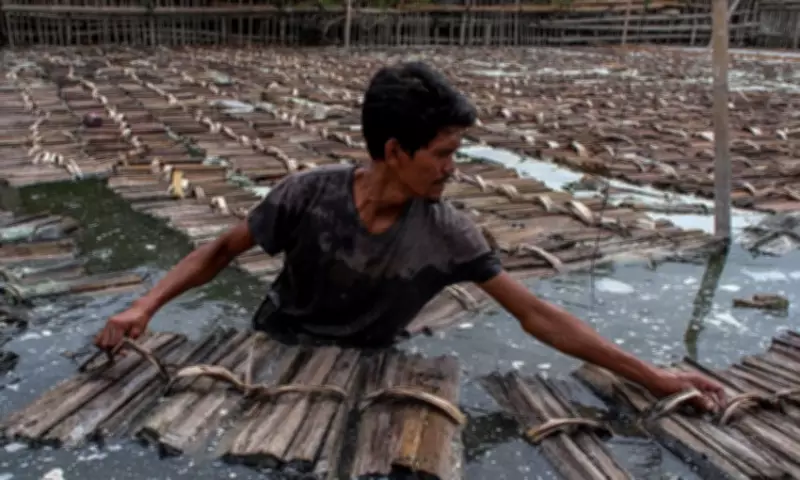
Residents of Zone Ahos Ganghaan, many of whom depend on broom-making for survival, are deeply anxious about losing their homes and community ties. The clearing of coastal areas for bridge piers, access roads, and drainage lines threatens the broom-making industry, a trade passed down through generations. Moving outside the city would cut off access to raw materials and local buyers, stripping families of their daily income.
Apple Gitgano, a 26-year-old broom maker and mother of three, has been making brooms since age eight. “Paknaan has long been known for broom-making because this is how many families here survive,” she said. “We wash fibers, dry the hemp, assemble the brooms, and sell them in the markets.” Government personnel recently measured structures and painted red markings on homes, but residents remain worried. “The bridge will erase our homes and the very places where we work every day,” Gitgano added.

Repeat Displacement Feared
For some families, the threat of displacement is a painful reminder of past struggles. Glenda Limbatao, a 32-year-old mother of three, moved to Paknaan in August 2024 after losing her home in a 2016 fire and spending years in temporary shelter. “We were told we could stay here for 10 years, so this sudden threat of moving again is draining us emotionally and financially,” she said. “We are only asking for a proper and nearby relocation site because our work and our children’s schools are already here.” Recent disappointments at the Tipolo Residences, where housing slots were allocated via lottery, have heightened anxiety.
Relocation Struggles
Mayor Thadeo Jovito “Jonkie” Ouano admitted the city is struggling to find available land for relocation. Existing sites like Bayanihan Village in Barangay Guizo are already full. “The request of many families is to relocate only within the same area temporarily,” Ouano said. “They no longer want to transfer far away because they have already lived there for many years.” Ongoing socialized housing projects can only accommodate about 100 to 150 families per building, far below demand.
Project Timeline
Despite relocation concerns, DPWH 7 plans to begin preparatory work in the second or third quarter of 2026. The 3.34-kilometer, four-lane bridge will connect Paknaan in Mandaue City to Barangay Ibo in Lapu-Lapu City, including a 4.9-kilometer coastal road to ease traffic congestion in Metro Cebu. Funding includes a 120-billion-yen loan through Japan’s official development assistance program. Once completed, the bridge is expected to reduce travel time and decongest major roads.
Republic Act 7279 requires local governments to provide humane relocation with utilities and livelihood opportunities before clearing operations. The City Government continues consultations with affected families as it balances infrastructure development with social and economic concerns.