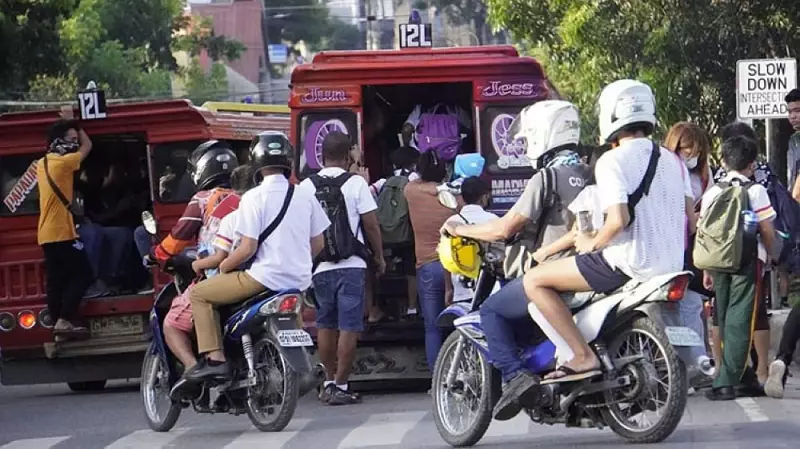
Cebu City commuters should prepare for significant changes in public transportation as the City Council begins reviewing a proposed ordinance that would completely transform the city's jeepney network and route system.
What the New Transport Ordinance Proposes
The potential overhaul moved forward when Acting Vice Mayor Winston Pepito endorsed the proposed measure on November 11, 2025. The ordinance has now been referred to two key committees: the committee on laws, ordinances and style, and the committee on transportation for detailed examination.
At the heart of this proposal is the formal adoption of the Local Public Transport Route Plan (LPTRP) 2024-2028, a comprehensive five-year blueprint already approved by the Land Transportation Franchising and Regulatory Board through Board Resolution 186, Series of 2025.

This strategic plan aims to rationalize existing jeepney routes, introduce new developmental corridors, and completely reorganize public transport services based on current land use patterns, passenger demand, and accessibility requirements.
Detailed Route Changes and Classifications
The LPTRP establishes 40 approved Public Utility Jeepney (PUJ) routes for Cebu City, with a total of 1,013 authorized units operating across the network. The breakdown includes 39 Class 2 routes and one Class 3 route.
Class 2 routes represent rationalized versions of existing jeepney lines that have served the city for decades. These routes will continue connecting major residential areas including Guadalupe, Lahug, Talamban, Tisa, and Labangon to traditional commercial corridors in the downtown district and high-demand destinations like Ayala Center, Cebu IT Park, and the North Reclamation Area.
The rationalization process will eliminate duplicate routes and streamline travel along congested thoroughfares, with 663 units allocated to these rationalized routes.
Developmental routes form the innovative part of the plan, with 350 units assigned to new corridors designed to support emerging growth areas. These include:
- Central Loops in Guadalupe, Mabolo, and the Port Area to improve urban circulation
- Radial Developmental Routes like Banawa to North Reclamation Area (8.4 km)
- Sirao to Cebu IT Park (16 km) - the city's sole Class 3 PUJ route serving upland barangays
Impact on Commuters and Implementation Timeline
Once adopted through ordinance, the LPTRP will become the city's official route structure, guiding future franchise issuance, feeder route integration with the Cebu Bus Rapid Transit (BRT), and modernization of the existing jeepney fleet.
The ordinance's adoption will give the plan legal force, enabling the LTFRB to begin processing new franchises and consolidating existing ones according to the rationalized routes. For daily commuters, this transformation should eventually result in more organized routes, fixed stops, and a more reliable public transport experience.
According to technical studies supporting the LPTRP, passenger volume data reveals peak demand of 11,782 passengers daily along the Bulacao (St. Jude)-North Reclamation corridor, closely followed by Bulacao-Downtown with 11,763 passengers, highlighting strong south-to-north commuter flows into Cebu City's business districts.
The legislative process will continue with public consultations, allowing residents and stakeholders to provide input on the proposed changes before the City Council makes its final decision on the transport overhaul.