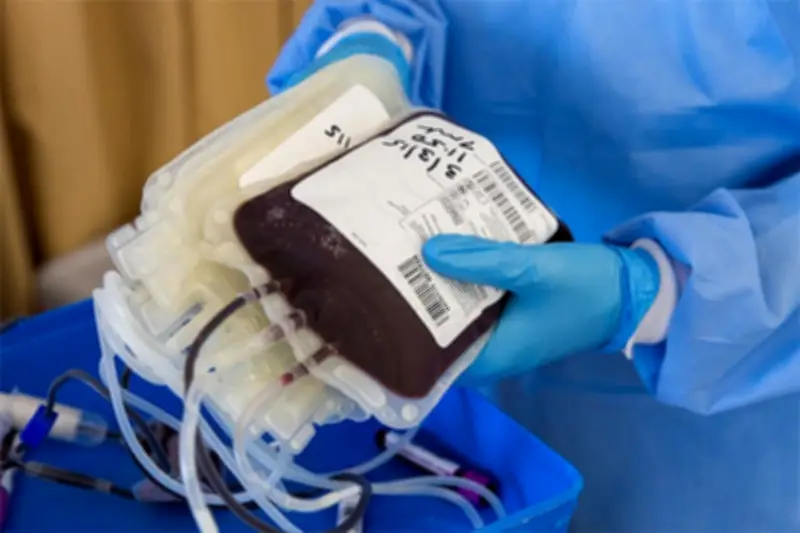
The Department of Health (DOH) issued a warning to health facilities on Friday, June 19, 2026, against requiring patients to provide "replacement blood" as a condition for receiving blood transfusions during treatment.
DOH Clarifies Law on Blood Donation
In a social media post, the DOH emphasized that the practice of asking patients to find replacement donors is prohibited under the National Blood Services Act of 1994. The law promotes voluntary, non-remunerated blood donation to ensure a safe and adequate blood supply for all, without relying on replacement donors.
"Blood in hospitals must be provided based on patient need," the DOH stated, adding that requiring replacement blood could lead to treatment delays if patients fail to find donors. Such delays could be life-threatening, the department warned.

Current Hospital Practices
While hospitals typically provide blood from their existing inventory during medical emergencies or procedures, some facilities have occasionally asked family members or friends of patients to donate blood to replenish supplies. The DOH's announcement clarifies that this practice is not legally allowed and must stop to ensure timely and safe patient care.