DSWD-7 Empowers Field Staff with Enhanced Assessment Tool
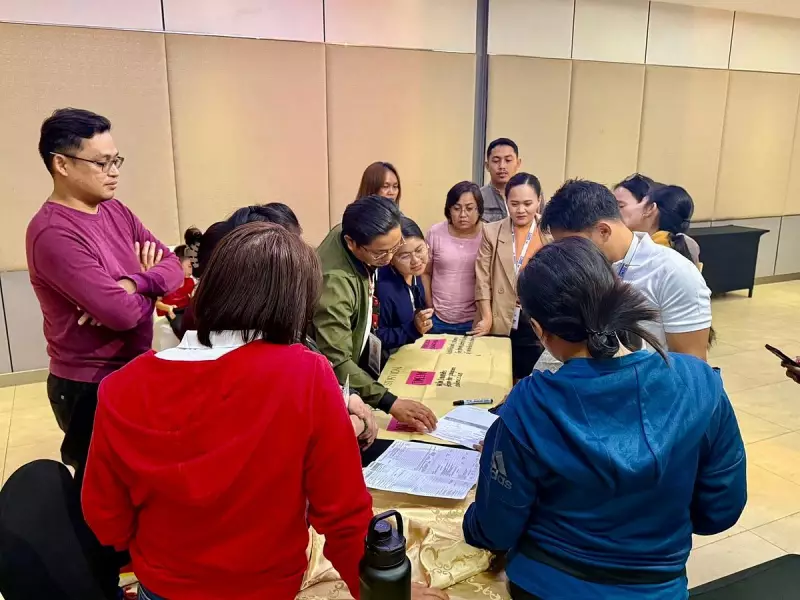
The Department of Social Welfare and Development in Central Visayas (DSWD-7) has successfully concluded a four-day simultaneous training program for its field implementers. The event, focused on the Enhanced Social Welfare and Development Indicator (SWDI) Tool, ran from November 11 to 14, 2025.
This intensive session was designed for personnel working directly with the Pantawid Pamilyang Pilipino Program (4Ps). An estimated 127 participants attended the training, including City/Municipal Links (C/MLs), Social Welfare Assistants (SWAs), and Municipal Roving Bookkeepers (MRBs) from Cebu Clusters 1, 2, and 3.
Modernizing Social Welfare Assessment
The core objective of the training was to orient field implementers on the new components, indicators, and purpose of the upgraded SWDI tool. According to DSWD-7, the Enhanced SWDI incorporates significant changes to better reflect the current socio-economic conditions of Filipino households.

Key upgrades to the system include:
- Revised indicators for more accurate assessment.
- An updated assessment manual and forms.
- A new information system for integrated data management.
- A mobile-based application enabling real-time data collection, monitoring, and analysis.
Driving Impact Through Digital Transformation
The agency emphasized the critical importance of this regional rollout. It is expected to significantly expand the knowledge and skills of field workers, particularly in utilizing digital tools. This advancement will lead to a more streamlined and precise assessment process for 4Ps beneficiaries.
By implementing the enhanced tool, DSWD reinforces its commitment to data-driven decision-making. This approach ensures that social interventions are more targeted, effective, and impactful on the lives of the program's recipients.
The assessment results gathered will serve as baseline data for all active 4Ps partner-beneficiaries. This vital information will allow the DSWD to tailor interventions that respond to the genuine needs of each family, guiding them toward improved well-being and self-sufficiency.