The Department of Social Welfare and Development (DSWD) has launched a major national initiative aimed at building stronger and more prepared communities across the Philippines. The Philippine Community Resilience Project (PCRP) was officially unveiled on November 19, 2025, marking the 20th anniversary of the Kapit-Bisig Laban sa Kahirapan - Comprehensive and Integrated Delivery of Social Services (Kalahi-CIDSS) program.
Massive Funding for Vulnerable Municipalities
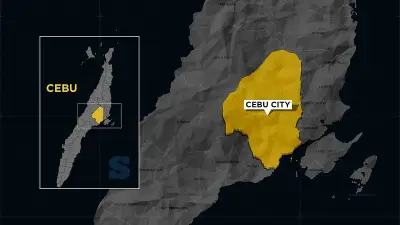
During the 2025 Annual Local Chief Executives Forum at a Cebu City hotel, DSWD Secretary Rex Gatchalian presented the groundbreaking project to more than 500 mayors and local leaders from across the nation. The PCRP represents a significant step forward in the government's commitment to community-driven development.
Under the new initiative, qualified municipalities will receive substantial financial support based on their classification. First to third class municipalities are eligible for P50 million, while fourth and fifth class municipalities can access P70 million in funding. Each participating Local Government Unit must provide a 20 percent counterpart contribution to ensure shared commitment to the projects.

Targeting High-Risk Communities Nationwide
The World Bank-supported project aims to reach 500 municipalities identified as having high vulnerability indicators. Priority areas include communities with:
- High poverty incidence
- Significant disaster risk
- Elevated childhood stunting rates
- Substantial indigenous populations
The PCRP will focus on implementing sub-projects that address critical community needs, including flood and drought control facilities, water systems, building retrofitting, eco-friendly livelihood opportunities, and pre- and post-harvest facilities. The project also emphasizes environmental protection through initiatives like mangrove preservation and eco-tourism parks.
Celebrating Two Decades of Community Development
The launch event also served as a celebration of Kalahi-CIDSS's 20 years of service to Filipino communities. The agency recognized local governments that have actively supported community-driven development through the Tatak Kalahi-CIDSS Awards.
A significant highlight was the launch of the Kalahi-CIDSS Coffee Table Book, produced in partnership with the Ayala Foundation. The publication documents the program's successful journey over two decades, featuring inspiring stories of resilience from mountain, coastal, and other hard-to-reach communities across the archipelago.
According to Atty. Bernadette A. Mapue-Joaquin, National Program Manager, "Resilience begins with an empowered community, and this movement marks the beginning of the next chapter of our program." The World Bank and other development partners reaffirmed their continuing support for the initiative during the event.
The day concluded with cultural performances, networking sessions, and a press conference with DSWD officials and project partners, setting the stage for the implementation of this ambitious national resilience-building effort.