The Department of Social Welfare and Development (DSWD) has successfully implemented weekly Toolbox Sessions under its Kalahi-Cidss program, significantly enhancing collaboration and strengthening the execution of community-driven projects across the region, according to a DSWD official.
Structured Approach to Community Development
Engr. Ailyn Arrobio, Project Development Officer IV of Kalahi-Cidss, explained that these sessions were initiated in 2018 to tackle persistent delays in subprojects and improve coordination among all involved parties. The initiative also focuses on increasing accountability in the implementation of government-supported development projects, ensuring resources are used effectively and transparently.
From Informal Practice to Formalized System
Originally, the Toolbox Sessions began as an informal practice within the Regional Program Management Office (RPMO) Engineering Unit in San Isidro, Davao del Norte. Recognizing its potential to streamline operations, the RPMO formalized the approach by developing templates, guidelines, and facilitation mechanisms. This transformation turned it into a structured and replicable model that can be applied across various project areas, promoting consistency and efficiency.

Enhancing Monitoring and Participation
The weekly sessions provide a regular platform for community volunteers, local government partners, and project staff to review progress, discuss challenges, and collaboratively find solutions. This system makes subproject monitoring more proactive, participatory, and transparent, moving beyond reliance on written reports and occasional site visits.
"Through the Toolbox Meetings, monitoring of our subprojects becomes proactive, structured, and participatory instead of relying only on written reports and occasional site visits," Arrobio stated during the ON-Selebrasyo Talakayan Forum on March 18.
Empowering Communities for Sustainable Development
Arrobio added that these weekly discussions strengthen collaboration with local stakeholders and empower communities to plan, implement, and monitor their own development initiatives. "The Weekly Toolbox Sessions promote stronger collaboration with local stakeholders and strengthen communities so they can better plan, implement, and monitor their own development projects that truly respond to people's needs," she elaborated.
Background on Kalahi-Cidss Program
Kalahi-Cidss, or Kapit-Bisig Laban sa Kahirapan – Comprehensive and Integrated Delivery of Social Services, is DSWD's flagship poverty alleviation program. It promotes community-driven development by enabling residents to identify priority needs and implement projects such as roads, water systems, and community facilities with government support, fostering local ownership and sustainability.
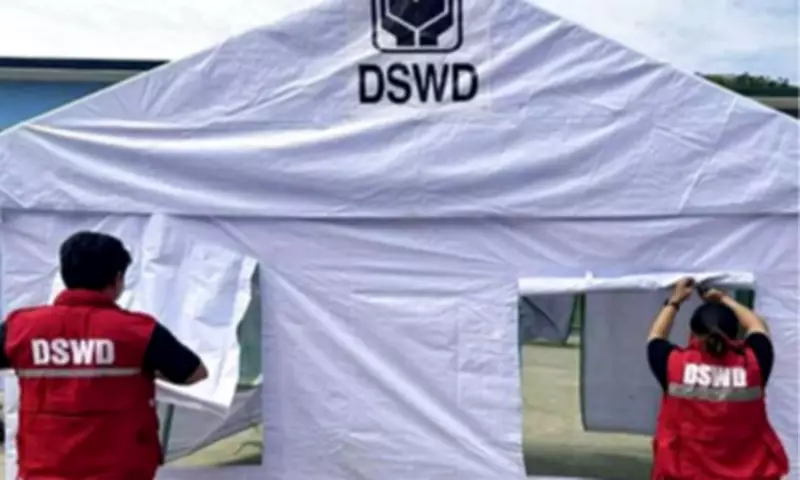
In related news, DSWD personnel recently set up family tents in Kalamansig, Sultan Kudarat on January 29, 2026, to provide temporary shelter for families displaced by a series of earthquakes in the area. Similar efforts are underway in the municipalities of Lebak and Kalamansig, highlighting the agency's ongoing commitment to disaster response and community welfare.