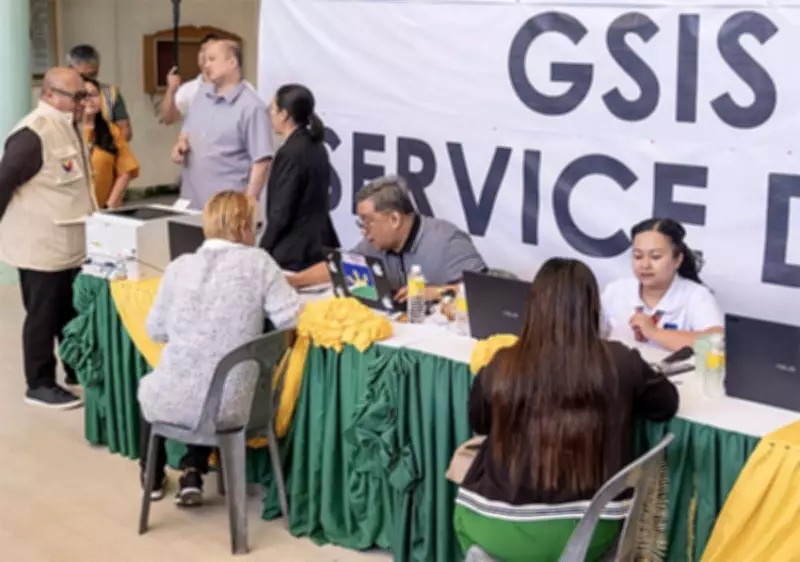
GSIS Holds Dialogue in Ifugao to Improve Access for Remote Areas
The Government Service Insurance System (GSIS) recently conducted a stakeholder engagement in Ifugao, aiming to refine service delivery and identify targeted interventions for members and pensioners in far-flung communities. GSIS President and General Manager Wick Veloso led the open dialogue, which focused on addressing access, connectivity, and service challenges unique to remote regions.
Direct Conversations Shape Reforms
Veloso emphasized that the engagement is designed to shape reforms through direct conversations with members and pensioners, ensuring improvements are based on their real-life experiences. "We want to hear your stories, struggles, and ideas because you are on the frontlines of public service," he stated. "Because you serve in places like Ifugao, where travel is harder and resources are fewer, you deserve more attention, not less." He posed questions to stakeholders: "Ano pa ang puwede naming gawin? Paano pa namin kayo matutulungan?" highlighting GSIS's commitment to responsive action.
Expanding On-Site Presence and Connectivity Solutions
As part of focused measures discussed during the dialogue, GSIS plans to expand its on-site presence in government offices, building on existing service desks and mobile caravans. These efforts will prioritize transactions requiring personal assistance, such as:

- Enrollment processes
- Record updates
- Claims concerns
This initiative aims to reduce the need for follow-up visits, making services more efficient for remote workers.
Veloso also announced plans to explore satellite connectivity for public schools and nearby government offices in Ifugao. "Education is the foundation of the future, and connectivity is now essential to learning and public service," he explained. The proposal includes establishing satellite-powered GSIS service desks that schools could use for Wi-Fi access, benefiting students and enabling government employees to access GSIS services more reliably.
Private Sector Collaboration and Cost-Sharing Model
GSIS is developing a model for private sector adoption to sustain these connectivity efforts. With satellite connectivity costing approximately P3,000 per month or P36,000 annually, private companies supporting the Adopt-a-School Program could help fund this initiative. "If we can start this together, we can encourage more corporations to take part, knowing that GSIS is also doing its share," Veloso added, promoting a collaborative approach to resource challenges.
Building Trust Through Incremental Steps
Drawing a parallel to the iconic rice terraces of Ifugao, Veloso noted: "The rice terraces of Ifugao were not built in one day. They were built slowly, patiently, together, stone by stone, generation by generation. That’s how trust is built too. Step by step. Listening first. Helping sincerely." He assured stakeholders of GSIS's ongoing assistance and expressed intentions to return to the province for further engagements.
Nationwide Dialogues and Additional Support Measures
GSIS will continue conducting dialogues across the country to ensure reforms remain anchored on member feedback, keeping the agency present and responsive in diverse communities. During the Ifugao dialogue, topics included:
- The GSIS Touch mobile application
- The Adopt-a-School Program
- Pension computations and loans
Executives addressed questions on these and other concerns, demonstrating a hands-on approach to problem-solving.
Enhancing Access in Low-Connectivity Areas
To support government offices in areas with unstable internet, GSIS is exploring alternative solutions such as:
- Offline submission options
- Dedicated assistance channels
- Fallback procedures during system outages
Additionally, GSIS is strengthening information access for remote employees by bringing sessions to venues like flag ceremonies and meetings, and providing printed materials to supplement digital resources.

Systematizing Coordination and Training
GSIS will roll out standardized training for agency authorized officers, complete with checklists and templates. The agency also plans to establish more direct communication lines between the GSIS Bayombong Branch and local representatives, and further systematize coordination on premium reconciliation with government agencies in Ifugao. These steps aim to streamline processes and improve service efficiency in remote settings.