The Office of Civil Defense-Davao Region (OCD-Davao) has proposed the creation of a comprehensive 30-year Disaster Resilience Master Plan, to be developed from the barangay level up to the highest levels of government, as a proactive measure for disaster preparedness.
OCD-Davao Director Calls for Long-Term Planning
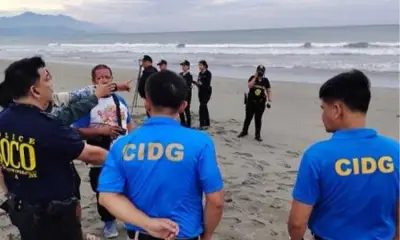
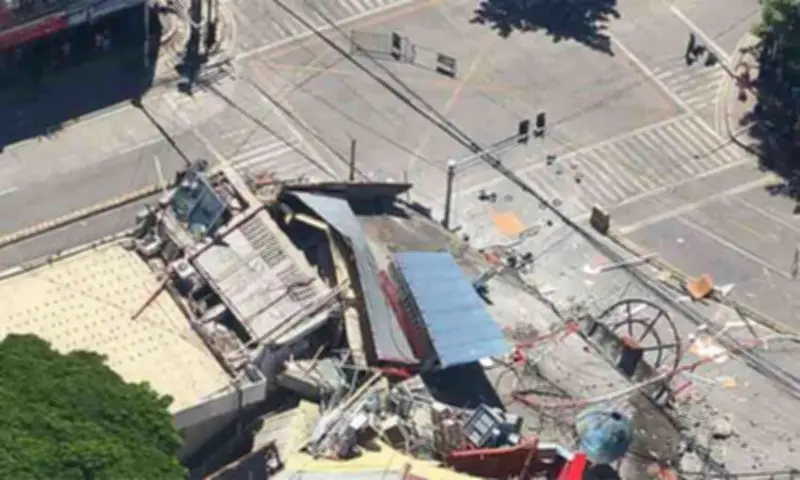
Ednar Dayanghirang, regional director of OCD-Davao, emphasized the need for a disaster master plan spanning from barangays to municipalities and provinces. This proposal follows significant disasters, including the magnitude 7.8 earthquake that struck several areas in Mindanao and the destructive landslide in Masara, Davao de Oro.
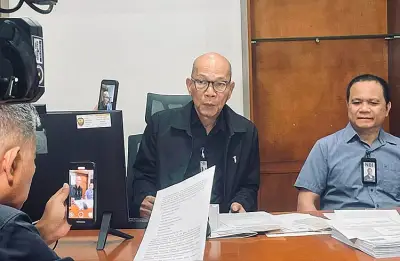
“Naa ra ta diri, dako kaayo atoang problema, naa ra ta diri ginahisgutan so we need a 30-year plan para cover tanan sa listahan sa mga unsay dapat himuon (Our major concerns are right here, and these are the issues we are discussing. We need a 30-year plan that will cover everything on the list of what needs to be accomplished),” Dayanghirang said in an interview on July 3, 2026, during the Regional Disaster Resilience Information Caravan at the Pinnacle Hotel Davao.

Collaboration with Local Governments and Funding Concerns
Dayanghirang noted that he is working with governors and mayors to develop their respective 30-year disaster plans. However, he found that many local governments lack sufficient funding to pursue these resilience plans. Despite this, he argued that funding should be the least concern, as planning primarily involves listing solutions to problems.
He explained that solutions can be prioritized in the disaster resilience plan according to local government priorities. Since it is a 30-year plan, implementation can be phased annually based on each local government's specific needs and priorities.
Reactive vs. Proactive Disaster Management
Dayanghirang stressed that local governments often prioritize disaster-related plans only after a disaster has occurred, while planning, operations, and preparation are rarely done beforehand. He advocated for a shift toward proactive planning.
He outlined a bottom-up approach: planning should first be conducted at the barangay level, then consolidated at the municipal level, submitted to the provincial level, and finally to the regional level. This ensures that all levels are involved and aligned.
Campaign and Training Initiatives
Dayanghirang revealed that he began this campaign in 2023 for local governments in Davao de Oro, Davao Oriental, and Davao del Norte to create their disaster resilience plans. By having a plan in place, local governments can include it in their annual budgets.
As part of disaster preparedness efforts, OCD-Davao aims to train entire local government units (LGUs) in disaster response. Dayanghirang said the office is conducting training in various areas so that trained personnel can, in turn, train other disaster responders in their respective cities and municipalities.