Public Transportation in Reality: A Comparative Look at Philippine and Chinese Systems
In an ideal scenario, public transportation should be a government-run service designed to provide affordable and accessible mobility for citizens, particularly the majority who lack private vehicles. However, the reality often diverges from this vision, especially in contexts like the Philippines.
The Philippine Model: Privately Owned with Government Regulation
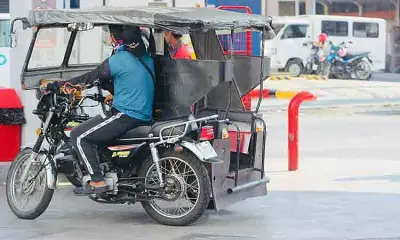
In the Philippines, public transportation typically involves vehicles that charge set fares and operate on fixed routes, including buses, trains, subways, traditional or modern jeepneys, tricycles, and other modes. The government's primary role is regulatory, managed through the Land Transportation Franchising and Regulatory Board, while the vehicles themselves are mostly privately owned. An exception exists for railway systems, such as commuter and light rail lines in Luzon and Metro Manila, which are government-operated.
China's Approach: Government-Owned and Heavily Subsidized
In contrast, China's public transportation system is predominantly owned and heavily subsidized by the government, functioning as a public utility rather than a profit-driven enterprise. This model ensures affordability, with high-speed trains, for example, offering a cost-effective and comfortable alternative to domestic flights or long-distance driving. Government control also guarantees service continuity, providing reliability for commuters.

Personal experiences, such as riding Beijing's subway and high-speed trains, confirm these benefits: they are clean, efficient, punctual, and highly affordable. While not perfect, China's system approaches the ideal, with subsidies likely shielding commuters from cost increases, even amid global tensions like those in the Middle East affecting oil prices.
Philippine Transport Strike Highlights Commuting Struggles
On March 19, 2026, Piston Cebu conducted a transport strike that disrupted traditional jeepney routes from Consolacion to Cebu City, highlighting the severe impact of rising fuel costs. Diesel prices have reached approximately P120 per liter, with further increases expected due to ongoing conflicts in the Middle East. This situation reportedly costs drivers up to P3,600 daily, exacerbating economic hardships for both operators and commuters.
Broader Economic and Political Context
The global effects of conflicts, such as the United States and Israel's actions against Iran, contribute to rising living costs worldwide. While some justify these actions, others in the Global South and parts of the West recognize the hypocrisy, refusing to support what they see as unjust wars. This backdrop intensifies the struggles faced by everyday commuters and transport workers.
Calls for Government Action and Fairness
Piston Cebu has called on Malacañang to scrap fuel taxes and roll back diesel prices to P55 per liter. However, proposals to increase fares by P5 even if prices normalize are seen as unfair, placing undue burden on commuters. Similarly, establishing a P1,200 national minimum wage, while desirable, risks bankrupting businesses and causing mass unemployment, complicating solutions.
Ultimately, commuters, drivers, and most citizens must endure these challenges together, unlike some public officials who benefit from taxpayer-funded amenities. Hope persists for a peaceful resolution to conflicts, though realism tempers optimism. Despite complaints about rising costs, many remain fortunate compared to those in war-torn areas facing destruction and loss.
The Philippines could learn from China's subsidized model without compromising democratic values, emphasizing the need for a more supportive public transportation system that prioritizes affordability and service continuity for all.