Cebuana Racers Shatter Stereotypes in Male-Dominated Motorsports World
For decades, the world of motorsports has been perceived as an exclusive domain dominated by men. The roaring engines, high-speed turns, and intense competitiveness have traditionally been associated with masculine traits like strength, ambition, and agility. These perceptions have created significant barriers for women who aspire to compete at the highest levels of racing.
Persistent Stereotypes Beyond the Track
Beyond professional racing circuits, everyday expressions of bias continue to reinforce outdated assumptions about women's driving capabilities. The common "lady driver" stickers seen on vehicles serve as subtle warnings that reflect lingering stereotypes about female competence behind the wheel. While some dismiss these as harmless decorations, many recognize them as symbols that perpetuate assumptions about skill and confidence in driving.
For female racers, these societal perceptions represent exactly what they aim to challenge every time they strap into their vehicles and accelerate onto the track. The statistics reveal the magnitude of the challenge: as of 2023, women comprised only 1.5 percent of licensed racers globally, with approximately 10 percent participation across all levels of motorsports according to FIA data and research by Jessen in 2025.

The Philippine Racing Landscape
In the Philippines, female participation remains particularly limited, with only a handful of drivers achieving international recognition. Notable figures include Michelle Bumgarner and Bianca Bustamante, who made history as the first Filipina Formula 4 racer. However, in Cebu, a new generation of women is actively rewriting this narrative through their determination and achievements.
Voices from the Track
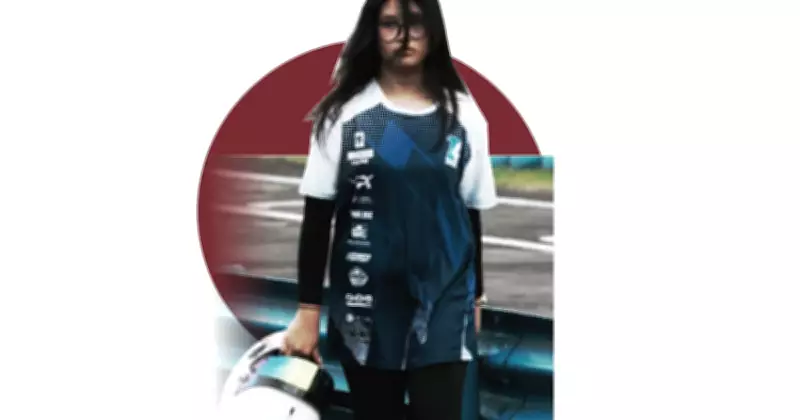
Gian Pimentel, a sixteen-year-old who earned the title of fastest Cebuana T4 junior driver during her first year of karting, faced significant adversity early in her career. "Last year, I was forced to stop after a crash that left me with three broken bones," she revealed. Despite this setback, Pimentel has made a remarkable recovery and returned to competitive racing. "That time was difficult, but it didn't stop me. I've been slowly getting back and proving that I still have the passion, motivation and drive," she emphasized.
For Isa Neri, a twenty-five-year-old racer and daughter of the late racer Jed Neri, motorsports represents more than mere competition. "It's something I connect to not just as a sport, but as a legacy and form of self-expression," Neri explained. "It's something my dad and I shared. Stepping into a car feels like continuing a story he started." In a racing environment where women remain significantly underrepresented, Neri believes in the transformative power of presence. "Just showing up, competing and being taken seriously in a male-dominated field challenges certain expectations," she noted.
The Next Generation of Cebuana Racers
This same determination fuels younger drivers who are following in their footsteps. Arianna Savino, a fourteen-year-old karter, found inspiration through her father's influence. "My dad was the one who really got me into karting, and once I tried it, I loved it," she shared. Savino firmly believes that female racers are actively breaking barriers within the sport. "Some people think girls will never be as good as guys, but when girls win, it proves we can be just as good," she asserted.
Keithlane Rosca, a Grade 7 student, discovered her passion for racing unexpectedly. "Once I got into that kart and started to drive with my friends, I began to enjoy it," Rosca recalled. "Every time I compete and put on a suit, I'm showing that gender doesn't define capability."
Advice for Aspiring Female Racers
Despite their diverse paths into motorsports, these drivers share a unified message for young women considering racing careers. Their collective wisdom emphasizes immediate action, unwavering confidence, and resilience against doubt.

Neri encourages potential racers to begin their journeys without hesitation: "Start where you are, and don't wait until you feel ready." Rosca emphasizes courage in the face of intimidation: "Don't be intimidated by the noise. The pits might be full of boys, but the track belongs to whoever is bravest on the brakes."
Pimentel focuses on perseverance despite skepticism: "There will always be people who think motorsports is not a place for women, but stay focused on your goals and continue proving yourself." Savino offers straightforward encouragement: "Never think you're not good enough to be a racer. Just keep going."
Neri concludes with an important reminder about personal motivation: "You don't have to carry the weight of representing all women in racing. You're allowed to just be there because you love it."
Redefining the Racing Landscape
As these Cebuana drivers continue to accelerate forward, they are pursuing more than just podium finishes and championship titles. Through their presence, performance, and perseverance, they are actively redefining what it means to belong in motorsports. Each lap completed, each race entered, and each barrier overcome contributes to a broader transformation of the racing world—one where capability, passion, and determination matter more than gender stereotypes.
The journey toward gender equality in motorsports remains challenging, but through the efforts of drivers like Pimentel, Neri, Savino, and Rosca, the finish line appears increasingly within reach for future generations of female racers.