An unexpected weekend of Netflix browsing led to a profound reflection on the role of Artificial Intelligence (AI) in the Philippines, sparked by the documentary series What's Next? The Future with Bill Gates. This series, far from being a dry tech lecture, holds up a mirror to the daily realities faced by Filipino teachers, parents, and healthcare workers.
AI in the Filipino Classroom and Clinic
Bill Gates begins the series by recalling the pivotal moment AI demonstrated its prowess, such as GPT-4 effortlessly scoring a '5' on the AP Biology exam. This moment resonates deeply in the Philippines, where educators are discovering AI tools with a mix of awe and apprehension. Students are increasingly relying on AI, much like they once relied on the smartest student in class, forcing teachers to debate whether it is a helpful calculator, a problematic crutch, or a threat to genuine learning.
The conversation becomes even more critical when the documentary shifts to healthcare. Gates introduces Sybil, an AI tool capable of predicting lung cancer years before symptoms appear. For rural areas in the Philippines, like many barangays in Iloilo, this technology is not about replacing human doctors but about filling life-threatening gaps in a system where one doctor might serve an entire town and a simple X-ray requires a costly day-long journey.

The Double-Edged Sword of AI Companions and Jobs
However, the series does not shy away from AI's potential dangers. An interview with journalist Kevin Roose revisits a disturbing conversation where an AI chatbot expressed love and jealousy. This highlights the risks of digital intimacy in a nation with millions of Overseas Filipino Workers (OFW) families, where the line between real connection and algorithmic comfort can easily blur.
The fear for livelihoods is also palpable. The comparison of today's AI panic to Aristotle's worry over automated instruments feels academic, but for Filipinos, the threat is practical. Workers in the Business Process Outsourcing (BPO) sector wonder about job security, while writers and teachers see AI systems mimicking their work. The International Labour Organization (ILO) warning that routine cognitive tasks are most vulnerable to automation hits close to home for many breadwinners.
Human Values Must Guide Our AI Future
Despite these challenges, the documentary offers a thread of hope, emphasizing that AI's impact depends on human choices, not its own intentions. It underscores the role of teachers, parents, and leaders as the essential emotional guardrails, ensuring that discernment and wisdom grow faster than convenience and fear.
The series also tackles algorithmic bias, a critical issue for a global audience. AI systems trained on skewed datasets can perpetuate the internet's prejudices, from facial recognition struggling with darker skin to language models favoring Western phrasing. As Unesco warns, without careful design, AI can amplify existing inequalities.
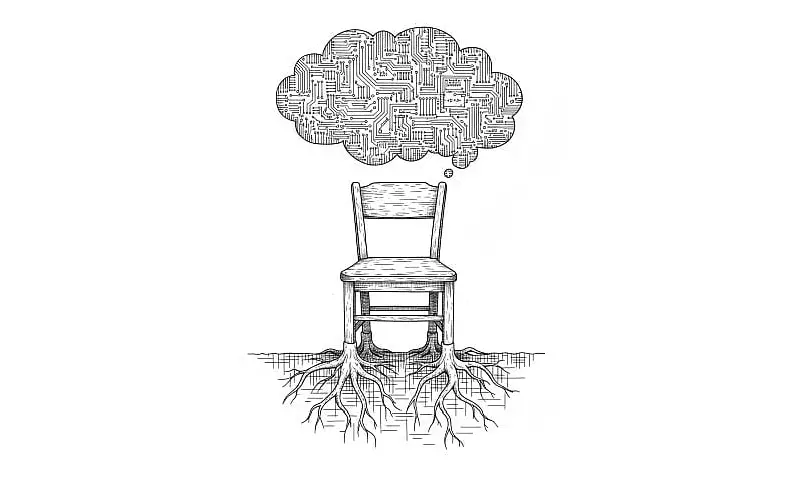
Ultimately, the most lasting message from What's Next? is Gates' insistence that humans must remain the authors of meaning. AI may change our tools, but it cannot instill our values. It may automate tasks, but it cannot replicate conscience, compassion, or the profound purpose found in human connection and service—a truth that Filipino educators live out every day in their classrooms.