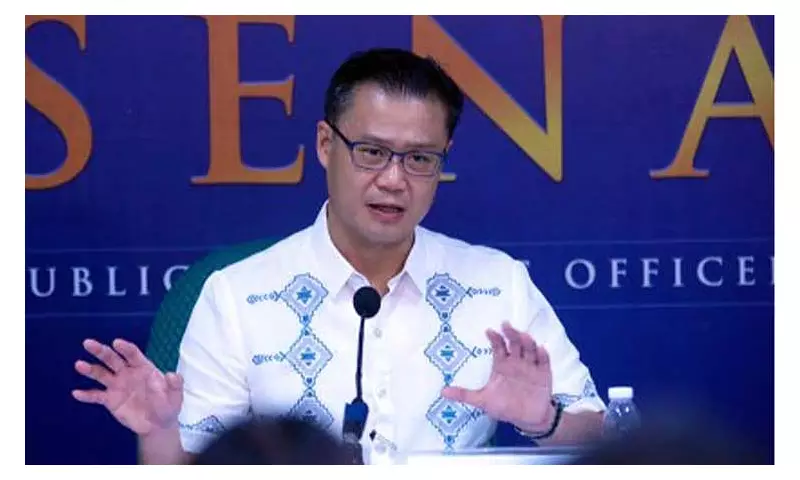
Senator Sherwin Gatchalian is pushing for the creation of a legislative measure to regulate the use of artificial intelligence (AI) in the Philippines. He issued a stark warning that the technology's unchecked deployment, especially with malicious intent, could lead to significant societal harm.
The Call for Accountability and Disclosure
During the Senate budget deliberations for the Department of Information and Communications Technology's proposed 2026 allocation, Gatchalian emphasized the urgent need for rules. He stated that creators of AI-generated videos and images must be held accountable and should disclose the use of the technology. This call comes as AI tools become more sophisticated and the line between real and synthetic content increasingly blurs.
"We need some form of regulation on the use of AI," Gatchalian said. "If you create videos or pictures using AI, there must be accountability and disclosure, especially now that technology is improving and it is difficult to detect what is real."

Risks of Unchecked AI: Disinformation and Social Division
The senator highlighted the profound dangers associated with the rapid spread of AI-generated content. He argued that this technology could become a powerful engine for disinformation campaigns, further polarize society, and critically undermine public trust in digital media.
"This is very dangerous, especially now that anyone can be an AI artist," Gatchalian noted. "We need to take a serious look at this technology moving forward." His concerns center on the potential for deepfakes and other synthetic media to manipulate public opinion and disrupt social harmony.
Building a Strong Legislative Framework
While acknowledging the ongoing efforts of the Cybercrime Investigation and Coordinating Center (CICC) in taking down malicious deepfake content, Gatchalian stressed that reactive measures are insufficient. He advocates for a proactive and "strong and proper" legislative framework designed to regulate AI use and strengthen enforcement mechanisms.
This proposed law would aim to keep pace with the rapid evolution of AI technology, ensuring that the Philippines has the legal tools necessary to mitigate risks while potentially fostering responsible innovation. The move signals a growing recognition among lawmakers of the need to govern emerging technologies that have far-reaching impacts on national security, democracy, and daily life.