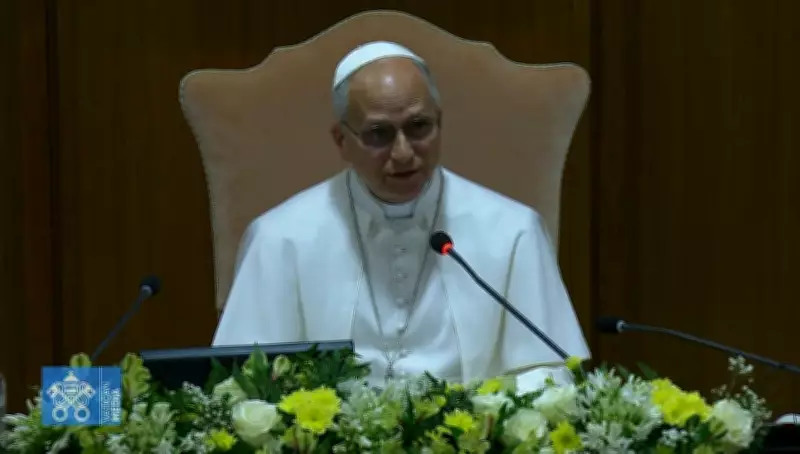
The Student Christian Movement of the Philippines (SCMP) has voiced strong support for Pope Leo XIV's first encyclical, "Magnifica humanitas," which condemns profit-driven artificial intelligence and labor exploitation. The group called for sweeping reforms in the Philippines, citing parallels with local hardships under the administration of President Ferdinand Marcos Jr.
Encyclical's Core Message
Released on May 25, 2026, the encyclical argues that technology is never neutral but shaped by corporate interests prioritizing profit over human dignity. Pope Leo XIV warned against the "Babel syndrome," an idolatry of profit that sacrifices the weak and reduces human mystery to data. He emphasized that economic systems must remain subordinate to human dignity, rejecting the notion that financial gain justifies job cuts.
Local Context
SCMP highlighted that under the Marcos Jr. administration, eight out of ten new jobs are part-time, real wages are declining, and prices are rising. The group pointed to political disinformation, citing a manipulated photo falsely linking Kabataan Party-list Rep. Renee Co to former congressman Zaldy Co amid flood control controversies. They argued that the encyclical's critique of corporate-driven AI mirrors these local issues.

Labor and Education Concerns
The encyclical's defense of labor rights resonates in the Philippines, which has the worst income inequality in Southeast Asia. SCMP urged the government to provide living wages and safe conditions instead of relying on financial aid, which they say fuels corruption. On education, the encyclical warns against private schooling excluding the poor; SCMP noted that three out of ten college students drop out and opposed recent budget cuts to the Department of Education, demanding expanded public funding.
Call for Peace and Visit
SCMP also linked the encyclical to the need for addressing root causes of poverty in the country's civil conflict, urging an end to red-tagging and political repression. The group expressed hope that Pope Leo XIV would visit the Philippines to witness these social realities firsthand.