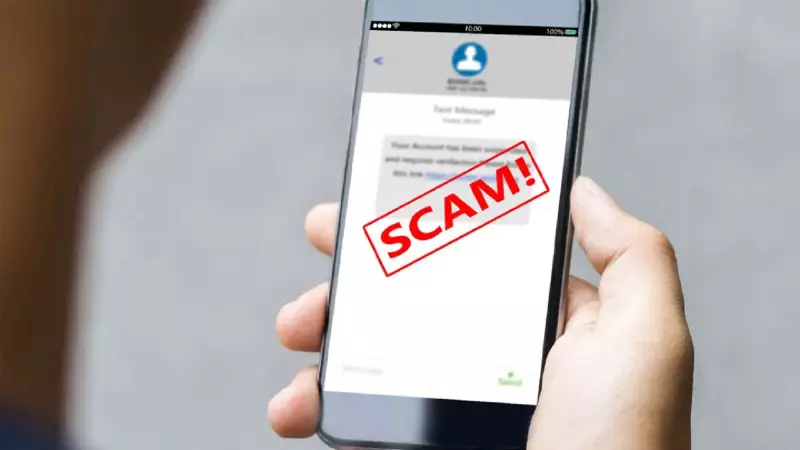
Text Scams in Philippines See Massive 95% Drop in 2025, CICC Announces
The Cybercrime Investigation and Coordinating Center (CICC) has officially confirmed a significant and substantial decrease in text scams across the Philippines during the past year. This development marks a major milestone in the nation's ongoing battle against digital fraud and cybercrime.
Staggering Decline in Reported Cases
According to the latest data released by the CICC, the number of text scam incidents recorded a dramatic fall. In the second quarter of 2024, the country witnessed over 1.28 million cases of such fraudulent activities. However, by the same period in 2025, this figure had plummeted to just 65,035 incidents. This represents an approximate 95 percent reduction, a figure hailed by authorities as a considerable achievement in enhancing public digital safety.
SIM Registration Law Credited for Success
The CICC attributes this sharp decline primarily to the effective implementation and enforcement of the SIM Registration Law. This legislation, which requires the registration of all SIM cards with valid identification, has made it more difficult for scammers to operate anonymously through text messages. The law has acted as a powerful deterrent, reducing the prevalence of fake and malicious messages sent via mobile networks.

Shift to Social Media and Messaging Apps
Despite this positive trend in text-based scams, the CICC issued a cautionary note. Scammers have not disappeared but have instead adapted their tactics. There has been a noticeable migration of fraudulent activities to social media platforms and various messaging applications. These digital spaces now serve as new grounds for cybercriminals to target unsuspecting individuals.
The current common modus operandi involves the sending of phishing links. These deceptive links often masquerade as communications from legitimate banks or popular e-wallet services. Their goal is to trick recipients into divulging sensitive personal and financial information, leading to potential identity theft or monetary loss.
Public Vigilance Remains Crucial
In light of this evolving threat landscape, the CICC strongly emphasized the importance of continued public awareness and vigilance. Citizens are urged to remain cautious and skeptical of unsolicited messages received through any digital channel. The agency advises the public to:
- Verify the authenticity of any message claiming to be from a financial institution.
- Avoid clicking on suspicious links from unknown or unverified sources.
- Report any suspected scam attempts to the proper authorities promptly.
While the fight against text scams has seen remarkable progress, the battle against cybercrime is ongoing. The shift in scammer tactics underscores the need for adaptive security measures and sustained public education to protect against emerging online threats.