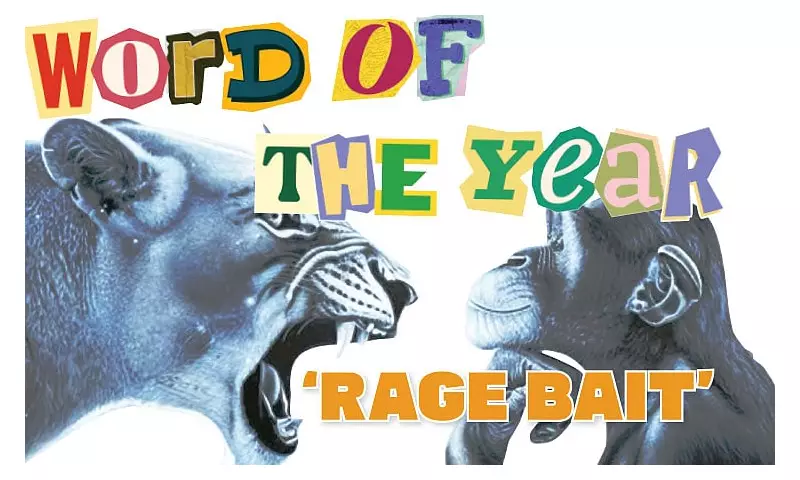
In a decision that captures the turbulent spirit of the modern internet, Oxford University Press (OUP) has declared "rage bait" as its Word of the Year for 2025. The term is defined as online material intentionally designed to provoke anger or outrage, often through frustrating, offensive, or highly controversial content, with the primary goal of driving traffic and boosting engagement.
The Rise of a Digital Phenomenon
Announced on December 7, 2025, the selection highlights how digital spaces increasingly incentivize provocation. According to OUP, the use of the term has tripled over the past 12 months, reflecting a deeper shift in online discourse. The publisher's experts linked its surge to a news cycle dominated by social unrest, debates over content regulation, and widespread concerns about digital wellbeing.
Oxford noted that the concept of "rage bait" isn't entirely new. Lexicographers traced its origins back to a 2002 Usenet post describing the irritation of a driver when another motorist flashes headlights to demand passage. This early usage hints at the term's core: deliberate agitation.

How to Spot Rage Bait Online
So, what does rage bait look like in today's digital landscape? It is often packaged in familiar formats:
- Posts that start with disclaimers like "I might get cancelled for this..." before presenting an intentionally obnoxious viewpoint.
- So-called "hot takes" engineered not to foster genuine discussion but to inflame emotions and trigger arguments.
The strategy has become so prevalent that "rage bait" is now a mainstream term in newsrooms worldwide, influencing headlines, video thumbnails, and content strategies built on emotional triggers and click-driven metrics.
Reclaiming Your Digital Autonomy
Recognizing rage bait is the first step; resisting its pull is the real challenge. According to insights from the women-led therapy platform On Par Therapy, rage bait operates by hijacking emotions—particularly anger—to force an immediate, often unthinking, reaction.
"At its core, rage bait is about control — over your emotions, your attention, your time and your peace," the platform explains. The key to breaking free lies in understanding that the power ultimately rests with the user. Every time you refuse to take the bait, you reclaim your autonomy. Choosing a thoughtful response over a reactive one disrupts the cycle of manipulation. Prioritizing your mental peace over someone else's manufactured drama is an act of self-care.
In essence, encountering rage bait becomes a test of personal boundaries and self-awareness. Learning to navigate these digital provocations calmly is a significant step toward maintaining composure and clarity in the often-chaotic online world.