The Dark Side of Viral TikTok Trends: When 'Factory Reset' Becomes a Weapon
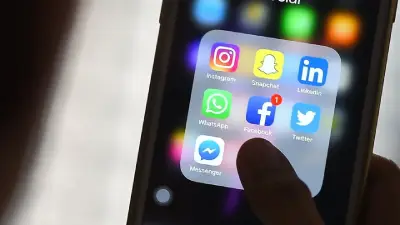
Social media platforms continue to revolutionize how people communicate and express themselves, but they also create spaces where cruelty can flourish under the guise of entertainment. The latest example comes from TikTok, where a trend called "Factory Reset" has taken a disturbing turn from its original premise.
From Personal Transformation to Public Mockery
When the "Factory Reset" trend first emerged on TikTok, it appeared to be about personal growth and transformation. The concept suggested shedding old versions of oneself and embracing authenticity—a message that resonated with many users seeking genuine self-expression online. For a brief period, it seemed like social media was creating space for meaningful conversations about identity and change.
However, the trend quickly devolved into something much darker. Today, searching "Factory Reset" on TikTok reveals countless videos that mock individuals who change their pronouns, alter their appearance, or explore different understandings of their gender identity. What began as a potentially positive movement has become a vehicle for bullying disguised as humor.

The Human Cost of Viral Mockery
Comments like "Hangtud wala pay Mio, ma-factory reset pa na!" have spread across social media platforms, treated as casual slang without consideration for their impact. This normalization of harmful language creates an environment where cruelty becomes entertainment, and vulnerable individuals become targets.
Gender fluidity represents a fundamental reality for many people—it's not a trend or a joke, but a lived experience that involves continuous self-discovery and the search for language that accurately describes one's identity. When people reduce this complex journey to a meme about "factory resetting," they erase the humanity behind these experiences.
The Psychological Impact on Vulnerable Communities
For individuals questioning their gender identity, encountering thousands of likes on videos that mock people like them sends a powerful and damaging message. It communicates that their confusion is shameful, their changes are ridiculous, and their honesty will make them targets for public ridicule. This creates additional barriers for people already navigating difficult personal journeys.
Most people don't undertake significant personal changes because it's easy—they do so because staying the same becomes increasingly painful. Yet instead of offering understanding or support, parts of the internet choose to amplify mockery, turning personal struggles into public entertainment.
A Pattern of Digital Cruelty
This escalation follows a familiar pattern observed with other sensitive topics on social media. Similar dynamics have occurred with discussions about mental health and sexuality, where humor becomes a weapon to avoid genuine empathy and engagement with complex human experiences.
Human beings are not digital devices that can be rebooted with a simple command. We are complex individuals with emotions, histories, and ongoing journeys of self-discovery. The internet's tendency to reduce these complexities to simplistic memes and punchlines represents a failure of digital empathy.
Moving Toward More Compassionate Digital Spaces
Discovering and embracing a fluid gender identity requires significant courage and self-reflection—qualities that deserve respect rather than ridicule. If social media platforms and their users can learn anything from the "Factory Reset" trend, it shouldn't be how to create more viral content, but how to cultivate spaces that allow for genuine human complexity.
We must collectively challenge the normalization of cruelty disguised as comedy and reconsider what content we reward with likes, shares, and comments. Creating more room for authentic human experiences—without judgment or mockery—represents a crucial step toward healthier digital communities.
Jamaica Bregente / Benedicto College