
Philippine Peso Seen Averaging 58 vs Dollar in 2025-2026
HSBC forecasts the Philippine peso to average 58 against the US dollar, with no further depreciation to 60 expected. Key factors include lower imports and stable OFW, BPO remittances.

HSBC forecasts the Philippine peso to average 58 against the US dollar, with no further depreciation to 60 expected. Key factors include lower imports and stable OFW, BPO remittances.

The Philippines' balance of payments registered a $706 million surplus in October 2025, boosting gross international reserves to $110.2 billion. Discover what this means for the economy.

Metrobank economist Nicholas Mapa predicts BSP easing could start in December 2025, with economic recovery expected in 2026. Learn how this affects inflation and the peso.

Philippine retail expects strong Q4 2025 growth as low inflation boosts disposable income. Colliers Philippines advises enhanced marketing and omnichannel strategies.

The Trump administration removes reciprocal tariffs on coffee, tropical fruits, and beef to ease rising prices. The move could impact Filipino exporters and global trade. Read more.

Bangko Sentral ng Pilipinas warns against fraudulent text messages with clickable links. Learn how to protect your accounts from scammers using text hijacking techniques.

The Bangko Sentral ng Pilipinas highlights blended finance as a key strategy to boost climate adaptation funding. Discover how this approach can build resilience.

OFW holiday remittances exceeding $3B and $109.7B reserves expected to strengthen Philippine peso from current 59.17 vs USD. Expert analysis reveals recovery pattern.

PSA warns Typhoon Tino's impact on Cebu agriculture will increase November inflation. Supply shortages expected to drive up food prices across Central Visayas.

Bangko Sentral ng Pilipinas urges stakeholders to build a 24/7 real-time payment system to boost remittances, e-commerce, and economic growth. Join the digital shift.
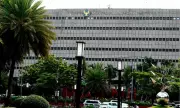
Davao's banking sector shows robust growth with double-digit lending expansion, signaling strong economic momentum and increased business confidence in the region.

The Bangko Sentral ng Pilipinas maintains policy rates as inflation remains manageable and economic growth shows positive momentum. Discover what this means for the Philippine economy.

Central Visayas records 2.6% inflation in October 2024, the highest rate outside NCR. Food and transport costs drive price increases across the region as economic pressures mount.

Philippine inflation remains unchanged at 1.7% in October 2025, with food prices slowing while transport costs rise. Get the full breakdown of how this affects Filipino consumers and the economy.

Cebu-based financial institutions project steady credit conditions in Q4 2024, with manageable NPL ratios and sustained business confidence despite global economic challenges.

Renowned economist Fernando 'Perry' Ferreria predicts continued expansion in Philippine manufacturing, driven by strong domestic demand and strategic government initiatives.
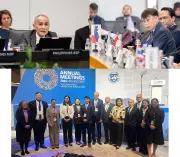
The Bangko Sentral ng Pilipinas announces its participation in the landmark 2025 IMF-World Bank Annual Meetings in Singapore, marking a significant moment for Philippine economic diplomacy.

Mandaue City establishes a Price Monitoring Committee to ensure fair pricing of essential goods and prevent overcharging during economic challenges.

Mandaue City launches proactive Price Monitoring Council to ensure fair pricing of basic goods and prevent overcharging during economic challenges.

Labor groups in the Philippines are pushing for increased rice subsidies and enhanced annual benefits as inflation continues to impact workers' purchasing power.

Mandaue City establishes Price Monitoring Council to ensure fair pricing of basic goods and prevent profiteering amid economic challenges.

Bangko Sentral ng Pilipinas forecasts October inflation between 1.4% and 2.2%, driven by rising electricity costs and food prices. Discover what this means for Filipino consumers and the economy.

The Federal Reserve cuts interest rates for the second time this year, signaling economic concerns that could impact global markets and Filipino overseas workers.