Agribusiness is poised to become the Philippines' next major growth engine as billions of pesos in private capital flow into large-scale farming ventures, creating opportunities to boost exports, strengthen food security and reduce rural poverty, economist Bernardo Villegas said.
Agribusiness as a Lead Sector
In an economic briefing with the members of the Cebu Economic Journalists Association, Villegas said the country's long-neglected agriculture sector is beginning to attract serious investment from major business groups, laying the foundation for sustained growth in one of the economy's most underperforming sectors.
"Agriculture and agribusiness will begin to be the lead sector," Villegas said.

Private Sector Betting Big in Agri
He noted that large investors are increasingly viewing agriculture as a profitable long-term business rather than a social development activity, with investments now being directed toward dairy production, palm oil, coconut plantations and other high-value crops.
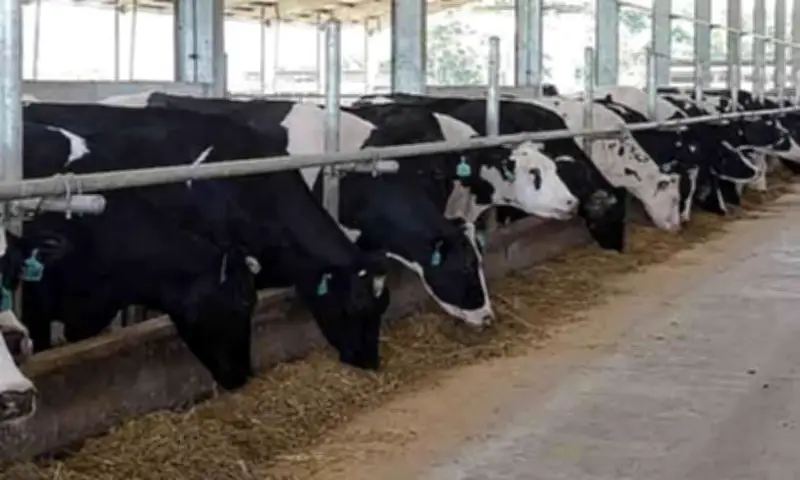
Among the examples cited by Villegas was businessman Manuel V. Pangilinan's investment in dairy farming through the importation of cattle and the development of feed production facilities. He also pointed to large-scale palm oil and coconut projects being undertaken in Negros and Mindanao.
"Before, no one thought of investing in agribusiness long term. Now we're beginning to see a lot of these big investors finally finding agribusiness profitable," he said.
Villegas said the renewed interest in agriculture comes at a critical time as the Philippines seeks new growth drivers beyond consumption, remittances and business process outsourcing.
Underinvestment
For decades, he said, the country failed to develop its agricultural sector while neighboring economies invested heavily in rural infrastructure, irrigation and export-oriented farming.
He contrasted the Philippines with Vietnam, which now exports around $60 billion worth of agricultural products annually, including coffee, cashew, durian and aquaculture products.
"Do you know what we export? About $8 billion. That's the whole story," Villegas said.
He attributed the gap to decades of underinvestment in farm-to-market roads, irrigation systems and post-harvest facilities, as well as policies that prioritized industrialization over countryside development.
"The poorest of the poor in this country are the farmers," he said.
Rural Infra Now Improving
Despite current challenges, Villegas said conditions are beginning to improve. He cited government efforts to expand rural infrastructure and growing participation by the private sector in commercial-scale farming.
He said the country's agriculture sector can achieve annual growth of at least three percent if reforms continue and investments are sustained.
The economist stressed that growth would have to come from three segments: support for millions of small farmers, development of medium-scale farms producing high-value crops, and the emergence of large agribusiness ventures capable of achieving economies of scale and adopting advanced technologies.
Tech Improving Productivity
According to Villegas, technologies such as artificial intelligence, drones and precision agriculture can significantly improve productivity, but these require larger-scale operations and substantial capital investments.
He also identified several high-potential crops that could drive export growth, including avocado, bamboo, coffee, coconut, durian and pili.
One emerging opportunity, he said, involves the use of bamboo as a construction material through new manufacturing technologies that can transform it into products with strength comparable to steel.
"If we can put together thousands of hectares devoted to these high-value crops, agriculture can become a major growth sector," he said.
Poverty Reduction
Villegas said successful agricultural development would not only raise economic output but also help reduce poverty, particularly in rural communities where most of the country's poor reside.
While acknowledging that the benefits will not materialize overnight, he said the foundations are now being laid for agriculture to play a much larger role in the Philippine economy.

"The next administration can build on these foundations," he said. "If we do the right things in agriculture, infrastructure and investment, the Philippines can achieve much higher growth rates in the years ahead."