Businessman Demands NBI Investigation into Deadly Binaliw Landfill Collapse
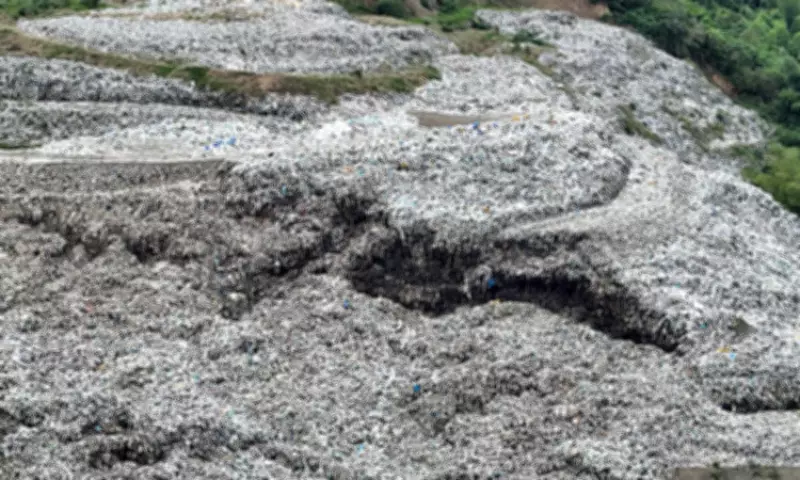
Prominent businessman Crisologo Saavedra Jr. has formally requested the National Bureau of Investigation (NBI) 7 to conduct a thorough investigation into the catastrophic Binaliw landfill collapse that occurred on January 8, 2026. The tragic incident resulted in the deaths of 36 individuals and left several others injured when a massive garbage mass buried multiple houses in Sitio Kainsikan, Barangay Binaliw.
Parallel Probe to Ensure Impartial Review
Saavedra submitted his request to the NBI on Monday, March 9, 2026, emphasizing that a parallel probe by the bureau would accelerate the fact-finding process and guarantee an impartial review of the disaster. This move follows a similar complaint he filed with the Office of the Ombudsman-Visayas on March 6, demonstrating his determination to hold responsible parties accountable.
Allegations of Negligence Against DENR Officials
In his complaint, Saavedra has accused officials from the Department of Environment and Natural Resources (DENR) 7 of severe negligence. He claims that the facility operated as an open dumpsite for eight years, directly violating its 2017 environmental compliance certificate, which mandated the establishment of a sanitary landfill. According to Saavedra, this prolonged violation created the conditions that led to the deadly collapse.

History of the Landfill and Accumulated Waste
The Binaliw landfill site has been managed by two different operators over the years. ARN Central Waste Management Inc. operated the facility for five years, followed by Prime Integrated Waste Solutions Inc., which managed it for three years. During this eight-year period, millions of tons of untreated waste accumulated in the limited area, significantly increasing the risk of structural failure.
Critical Safeguards Missing from the Site
Saavedra's complaint highlights the absence of essential safety measures at the landfill, which contributed to an unstable foundation. Key missing protections included:
- Leachate and gas collection systems
- Proper water drainage infrastructure
- Protective liners to prevent toxic leaks
These deficiencies, according to Saavedra, made the site highly vulnerable to collapse.
Unsafe Operations Blamed, Not Natural Disasters
Saavedra has asserted that the collapse was caused by unsafe operational practices rather than natural disasters. He has warned of long-term environmental and health risks, including contamination from toxic water and the release of methane gas. In response, he is pushing for multiple homicide and anti-graft charges against both the operators and the officials he holds responsible.
The call for an NBI investigation underscores the growing demand for accountability in the wake of one of the deadliest landfill disasters in recent memory. As the probe moves forward, stakeholders await further developments that could reshape environmental regulations and enforcement in the region.