The temporary halt of the local P20 rice initiative underscores the logistical hurdles of balancing immense public demand with finite government supplies.
Program Suspension for Audit
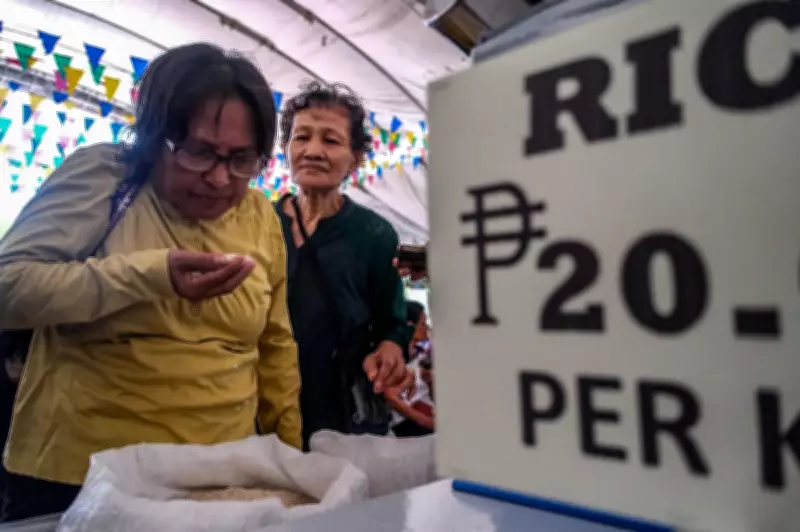
In late April, the Cebu City Government suspended its subsidized rice program to audit remaining stocks and overhaul its distribution framework. Mayor Nestor Archival confirmed the pause, allowing the City to conduct a comprehensive inventory of rice sourced from the National Food Authority (NFA) and the Food Terminal Inc. (FTI). The suspension follows the program’s initial rollout in late March and early April, which drew large crowds and highlighted the intense demand for affordable staples amid rising food costs.
Why It Matters
The “Benteng Bigas” initiative serves as a primary economic intervention for Cebu City’s vulnerable populations. Priority groups, including senior citizens, minimum wage earners, and indigent families, rely heavily on the subsidy to offset inflation. During the initial distribution phase, overwhelming turnout forced officials to halve the maximum purchase limit from 20 kilos to 10 kilos per household per month. The current pause leaves these target demographics waiting for critical food relief while the City attempts to reconcile its warehouse inventories with distribution commitments.

Additionally, the suspension creates an information vacuum that unauthorized individuals have exploited. The government has had to issue warnings against scammers falsely claiming to conduct door-to-door rice deliveries on behalf of the City, the NFA, or the FTI.
The Bigger Picture
The challenges facing Cebu City mirror broader national difficulties in managing heavily subsidized agricultural products. Maintaining a stable P20 per kilo price point requires precise coordination between local government units and national supply chains, specifically the NFA and Kadiwa networks. When supply constraints meet high public demand, localized distribution centers — such as Plaza Sugbo and the Cebu City Sports Institute — quickly become overwhelmed.
To address these systemic bottlenecks, city planners are developing a more decentralized food assistance strategy. Officials intend to integrate the rice subsidy scheme into mobile grocery caravans that already serve upland and remote barangays. Under this proposed system, the City would manage logistics and repacking, while the FTI handles beneficiary validation and payment processing.
What to Watch
The primary focus moving forward centers on how quickly the City can complete its inventory audit and establish a more resilient supply chain. Residents and market observers await the announcement of a revised distribution schedule. The success of the restructured program depends on the government’s ability to maintain adequate stockpiles, prevent artificial shortages, and implement a streamlined validation process that deters hoarding while ensuring equitable access for qualified beneficiaries.