Cebu Port Authority Implements Relief Measures Amid Rising Oil Prices
In response to the ongoing surge in oil prices driven by the Middle East crisis, the Cebu Port Authority (CPA) has officially approved a series of discounts and suspensions on port charges, set to take effect over the next two months. This strategic move aims to mitigate the financial strain on stakeholders and the public, ensuring the continuity of essential port operations.
Discounts for Domestic Vessels and Agricultural Cargo
The CPA announced that it will provide a discount on berthing fees for domestic vessels at the Cebu Port, starting from April 18, 2026. This initiative includes a substantial 40 percent reduction in anchorage fees and Roro wharfage fees specifically for cargo vehicles transporting agricultural products. The discounted categories cover a range of vehicle types, such as 6-wheelers with weights between 4,800 and 7,500 kilograms, 6-wheelers and prime movers without trailers weighing 7,600 to 15,000 kilograms, 8-wheelers, tank lorries, and 10-wheel straight trucks with weights from 20,000 to 25,000 kilograms, as well as 10-wheel prime movers with trailers exceeding 26,000 kilograms.
Suspension of Passenger Terminal Fees and Other Charges
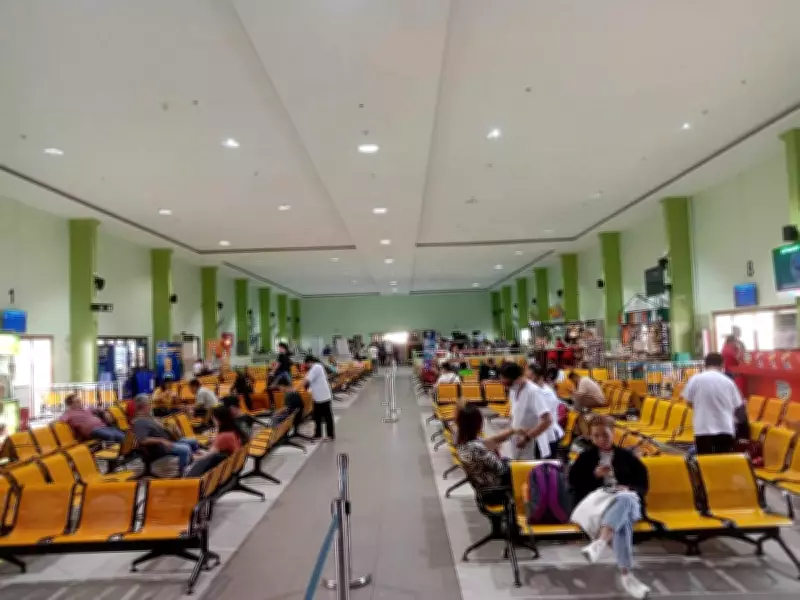
Additionally, the CPA has suspended passenger terminal fees across all its operated terminals. This suspension extends to various permits, including the Single Entry Pass, Watering Permit, Bunkering Permit, and other Harbor Control Center (HCC)-approved permits. According to the CPA, these measures are designed to absorb part of the operational costs associated with port activities, thereby ensuring uninterrupted delivery of critical services like infrastructure maintenance, utilities, sanitation, security, and emergency response.

CPA's Commitment to Stakeholder Support
CPA General Manager Francisco Comendador III emphasized that these actions are intended to ease the challenges faced by stakeholders and the general public during this period of economic pressure. He highlighted the authority's proactive approach in addressing the broader impacts of the oil price surge.
Energy Conservation Efforts Implemented
In conjunction with the fee adjustments, the CPA is also enforcing energy-saving measures to further reduce operational expenses. These include implementing a 4-day work week for non-frontline personnel, utilizing solar lighting in port facilities, limiting non-essential travel and walks, conducting virtual meetings, and canceling all non-essential travel. These steps are part of a comprehensive strategy to enhance efficiency and sustainability in port management.
The CPA's combined efforts of financial relief and conservation initiatives underscore its dedication to supporting the local economy and maintaining robust port services amidst global uncertainties.