Cebu Transport Cooperatives Advocate Fuel Subsidies Over Fare Hikes Amid Rising Oil Costs
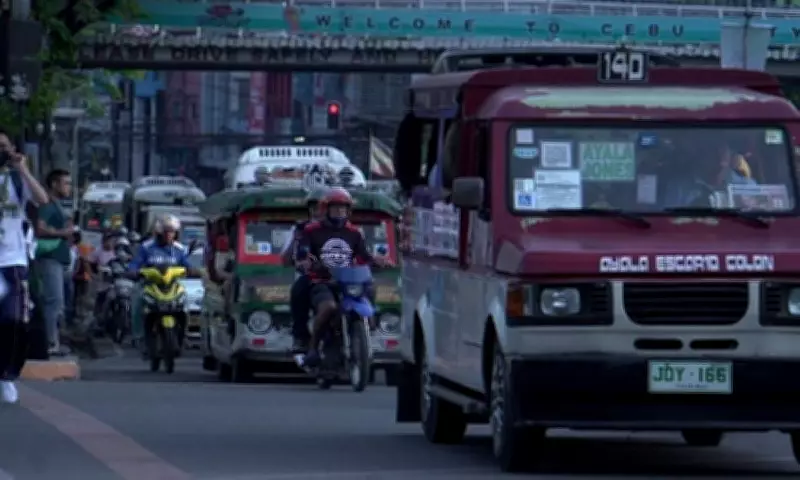
Transport cooperatives in Cebu are actively lobbying for government fuel subsidies as an alternative to fare increases, aiming to protect commuters from the mounting expenses of daily travel. As global oil prices continue to climb due to ongoing tensions in the Middle East, drivers and operators emphasize their preference for direct financial assistance rather than transferring the financial burden onto passengers who depend on their services.
Choosing Stability Over Fare Hikes
The Federation of Cebu Transport Cooperatives (FCTC) has formally requested the government to prioritize fuel subsidies and service contracting instead of implementing an immediate fare increase. Ellen Maghanoy, president of the FCTC, clarified on Tuesday, March 4, 2026, that the organization's goal is to prevent additional price hikes, as commuters are already facing significant economic challenges.
"We support measures that will prevent further increases in petroleum products because commuters will be heavily affected," Maghanoy stated, underscoring the cooperative's commitment to community welfare.

Rising Cost of Driving
For public utility vehicles (PUVs), fuel constitutes approximately 50 percent of daily operating costs. Recently, diesel prices from certain suppliers have surged from P49 per liter to P59 per liter, marking a substantial increase that is severely impacting operators.
Many operators are still repaying bank loans for modern jeepneys and are in the process of recovering from the economic devastation caused by the September 2025 earthquake and Typhoon Tino in November 2025. This dual financial strain makes the current fuel price spike particularly burdensome.
How the Subsidy Program Works
Operators are advocating for the activation of a P2.5 billion national fuel subsidy program. President Ferdinand Marcos Jr. has confirmed that these funds are designated for release once crude oil prices reach $80 per barrel.
Key details about the subsidy include:
- Eligibility: Drivers of modern and traditional jeepneys, UV Express, TNVS, and other public vehicles.
- Tricycles: Support for tricycle drivers will be managed through their local government units.
- Usage: The subsidy is loaded onto cards for use at accredited gas stations and cannot be withdrawn as cash.
Why a Fare Hike Is the Last Resort
While raising fares might appear to be a straightforward solution, transport leaders argue that it poses significant risks to the local economy. They highlight three primary reasons for avoiding fare increases:
- Debt Obligations: Cooperatives must meet monthly bank payments for new modern jeepneys.
- Climate Recovery: The region is still recuperating from recent natural disasters.
- The Ripple Effect: Higher fares could elevate the cost of living for students and workers, potentially reducing public transport ridership.
What to Monitor
The Land Transportation Franchising and Regulatory Board (LTFRB) is now urging drivers to verify the status of their "Pantawid Pasada" subsidy cards. If a card is expired or missing, it must be replaced at the Land Bank of the Philippines promptly to avoid any delays in accessing benefits.
The effectiveness of this initiative hinges on the government's ability to distribute funds swiftly and the persistence of high global oil prices. Currently, Cebu's transport sector is relying on the government to serve as a "shock absorber," ensuring that residents do not face increased costs at transportation terminals.