Central Visayas Business Registrations Decline 4.7% in 2025, Reflecting Economic Caution
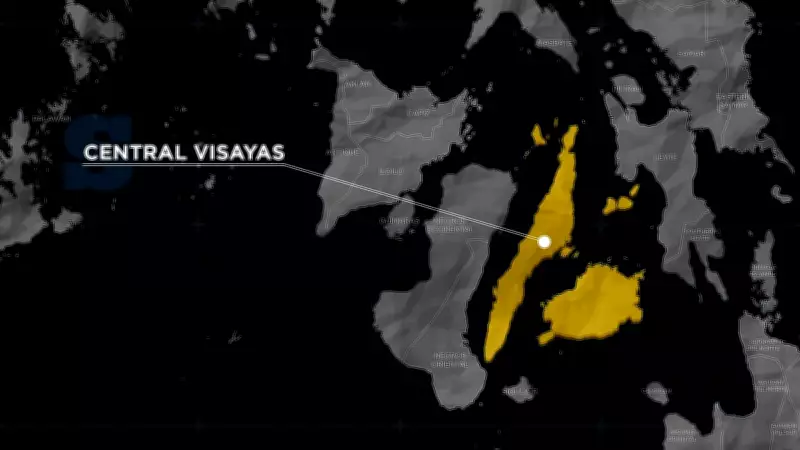
Business name registrations in Central Visayas experienced a notable decline of 4.7 percent in 2025, falling to 63,150 from 66,257 the previous year. This significant drop signals a clear transition from the post-pandemic expansion phase into a period of heightened economic caution. Entrepreneurs across the region are now navigating a challenging landscape characterized by rising operational costs and fluctuating consumer demand, which has tempered the once-vibrant entrepreneurial spirit.
Why This Decline Matters for the Regional Economy
The reduction in registrations reflects a cooling of entrepreneurial activity, particularly within the micro, small and medium enterprise (MSME) sector, which forms the backbone of the local economy. Retail trade and food services—the dominant sectors in Central Visayas—showed substantial declines of 4.1 percent and 6.2 percent, respectively. These figures serve as a critical barometer for the financial health of local households, indicating that residents are tightening their belts in direct response to ongoing economic uncertainty.
Business leaders confirm that this data aligns with the difficulties experienced by local enterprises. Carl Cabusas, president of the Talisay Chamber, noted that the decline matches local observations, stating that "even existing MSMEs are becoming more cautious—largely influenced by tighter household spending, rising input costs and overall economic uncertainty." Barbara "Bambi" Gothong-Tan, president of the Mandaue Chamber of Commerce and Industry, added that the current climate reflects "global uncertainties and rising fuel costs," which are "weakening consumer demand and increasing operating expenses, particularly affecting retail, logistics, and tourism."

The Bigger Picture: Geographical Divisions and Inflationary Pressures
While the regional total shows a decline, the data reveals a stark geographical divide within Central Visayas. Cebu managed to achieve a 4.4 percent increase in registrations, suggesting that the urban core remains resilient despite broader challenges. In contrast, Bohol experienced a sharp 17.1 percent drop, attributed to normalization after post-pandemic expansion and potential saturation in tourism-driven microenterprises.
The current economic climate is further complicated by significant inflationary pressures. By March 2026, inflation reached 4.1 percent, driven largely by a 9.9 percent spike in transport costs linked to global volatility. For small business owners, this creates what many describe as "soul-trying" times, where the cost of moving goods and serving customers is becoming increasingly difficult to manage. Operating in this environment requires a "suitable design" and "patience"—qualities that local businesses must now embody to survive and thrive.
What to Watch: Key Factors Influencing Future Business Growth
The trajectory of business growth in 2026 will likely hinge on several critical factors, including private sector coordination with government and effective mitigation of energy costs. Strengthened support mechanisms are essential; Talisay Chamber’s Cabusas views the current slowdown as an "important signal for alignment between the business sector and the LGU (local government unit)" to create "targeted incentives or programs that stimulate local demand."
Cost management remains paramount. Mandaue Chamber’s Gothong-Tan emphasizes that "businesses that adapt and manage costs efficiently will be better positioned to navigate the challenges until economic conditions stabilize." Access to capital is also crucial; new tiered lending programs from the Land Bank of the Philippines offer a vital lifeline, with loans starting at P100,000 for startups and reaching up to P50 million for established firms.
Energy reforms scheduled for June 2026 could provide additional relief. The lowering of the Retail Competition and Open Access threshold to 100 kilowatts is expected to significantly lower electricity bills for smaller operations, easing one of the major operational burdens faced by MSMEs.

Navigating Challenging Times with Resilience and Faith
Style and survival in both writing and business are described as "acts of faith." As Central Visayas navigates these "trying times," the focus remains squarely on whether local ventures can "break through the barriers" of high costs and persistent inflation. The region's economic future will depend on the collective ability of entrepreneurs, government bodies, and financial institutions to foster an environment where innovation and resilience can overcome current adversities.