Philippines Agriculture Department Intensifies Food Price Monitoring Amid Inflation Pressures
The Department of Agriculture (DA) in the Philippines has announced on Friday, March 6, 2026, that it is implementing robust contingency measures and strengthening its surveillance of food prices. This proactive stance comes as the nation faces mounting inflation pressures, exacerbated by ongoing tensions in the Middle East.
Recent Food Inflation Data Shows Uptick
According to the latest figures released by the Philippine Statistics Authority (PSA), food inflation accelerated to 1.6 percent in February, up from 0.7 percent in January. Despite this increase, the current rate remains notably lower than the 2.6 percent recorded during the same period in the previous year.
In a detailed statement, DA Secretary Francisco Tiu Laurel Jr. emphasized the department's commitment to mitigating potential price shocks. "We are now taking steps to secure supply so food and farm inputs are sufficient in anticipation of price shocks that may follow the current situation in the Middle East," he declared.

Measures to Stabilize Food Supply and Prices
The DA has outlined several key initiatives to ensure food security and price stability:
- Rice Supply Assurance: The department has confirmed a sufficient rice supply, supported by the arrival of 707,711.46 metric tons of imported rice since January. This strategic importation precedes the local peak harvest season for palay, or unhusked rice.
- Fuel Subsidy Program: A fuel subsidy worth at least PHP100 million is prepared for distribution to eligible farmers and fishers. This measure aims to cushion the impact on local food production and prevent disruptions.
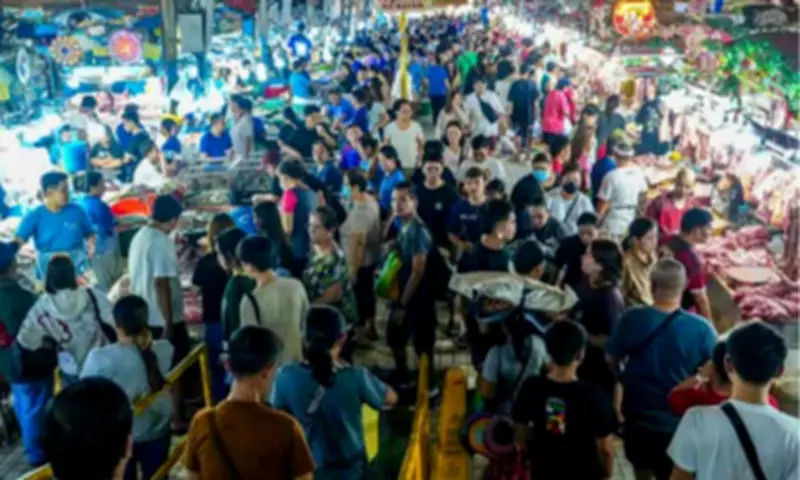
- Enhanced Price Monitoring: Authorities have intensified market surveillance to protect consumers, particularly those from the most vulnerable households. "We have intensified our price monitoring activities to ensure that supply and price of food remain stable even in the face of challenges," Secretary Tiu Laurel assured.
Impact on Filipino Households
PSA data reveals that inflation for the poorest families rose to 2.5 percent in February, marking an increase from 1.6 percent in January and 1.5 percent in February 2025. The agency has identified this trend as an "early signal" of potential pressure buildup among Filipino households, should the Middle East tensions escalate further.
While rice prices showed a positive trend, decelerating to 3.4 percent in February compared to 8.5 percent in January, other essential food items experienced price acceleration. These include:
- Corn, flour, bread, and other cereals
- Fish and seafood
- Vegetables and fruits
- Milk and dairy products
The Department of Agriculture remains vigilant, closely monitoring these developments to safeguard the nation's food security and economic stability in these uncertain times.