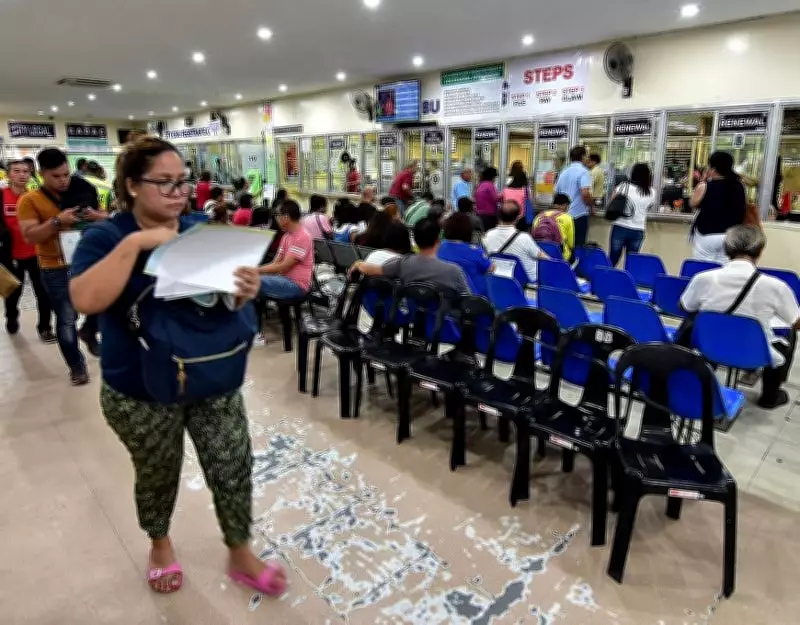
The Davao City Business Bureau has announced a significant eight percent increase in business tax and fee applications for the year 2026 compared to the same period in 2025, signaling a positive trend in local economic activity. According to Maribel Paguican, head of the Business Bureau, the office recorded 45,621 applications from January 1 to 31, 2026, which is 1,211 more than the 44,410 applications logged during the same timeframe in 2025.
Optimistic Outlook for Annual Performance
During the ISpeak Media Forum held on Thursday, February 26, 2026, at the City Mayor's Office, Paguican expressed strong optimism about surpassing the total of 50,961 applications recorded for the entire year of 2025. She highlighted that the higher number of applications processed in early 2026 provides a solid foundation for achieving this goal, despite the deadline for penalty-free payments having ended on January 31, 2026.
Key Drivers Behind the Increase
Paguican attributed the rise in applications primarily to permits from sari-sari stores, groceries, distributors, and service contractors. Additionally, she credited the success to the Business One-Stop-Shop initiative, a simultaneous activity that allows businesses to renew and register new applications at ten convenient locations across the city. These locations include the Sangguniang Panlungsod and Treasury Offices in areas such as Calinan, Toril, Bunawan, Tugbok, Paquibato, Marilog, and Baguio.

Through these strategic implementations, the bureau has managed to cater to more applications than in the previous year. Paguican noted that while renewals are still being accepted, they are now subject to penalties, surcharges, and interest, emphasizing the importance of timely compliance.
Business Retirements and Transfers
In contrast to the growth in new applications, Paguican reported that 5,139 businesses applied for retirement or transferred locations in 2026. She explained that most of these cases were influenced by the city's zoning ordinance, which led to changes in business activities or non-compliance with updated regulations.
Furthermore, a notable portion of business permit retirements involved delivery riders, following the implementation of a new ordinance that no longer requires them to secure business permits. Instead, these individuals now apply for occupational permits, reflecting an adjustment in regulatory frameworks to better suit evolving business models.
Overall, the data from Davao City's Business Bureau paints a picture of a dynamic local economy, with increased entrepreneurial activity balanced by regulatory adaptations. The bureau remains hopeful that the upward trend in applications will continue, potentially exceeding previous years' totals and fostering sustainable economic development in the region.