Davao City's real estate sector continued to show strong growth in 2026 despite economic headwinds, with industry leaders citing the city's diversified property market, expanding tourism economy, and strategic urban planning as key drivers of investor confidence.
Speaking during the Habi at Kape forum at Abreeza Ayala Mall on Wednesday, May 6, Arnold Alderite said the local property industry remains among the city's most resilient sectors despite shifting economic conditions and changing consumer behavior.
Alderite, who heads the Real Estate Brokers Association of the Philippines (Rebap)-Davao, said the market has evolved rather than weakened, as buyers and investors continue to shift toward emerging opportunities in residential, agricultural, commercial, industrial, and tourism-related developments.

“The real estate industry is very resilient. Buyers’ interests simply shift depending on changing times and market needs,” he said.
He said Davao City’s strength lies in its dynamic and multi-sectoral property market, which continues to generate opportunities despite broader economic pressures affecting other industries. Traditional residential housing remains active, but investors have increasingly explored agricultural properties, farm estates, and resort-style developments in response to changing lifestyle trends and investment preferences.
“It does not mean the real estate industry is declining just because fewer people are buying houses. The market has simply shifted its focus and direction,” Alderite added.
He also said Davao City’s strength lies in its dynamic and multi-sectoral property market, which continues to generate opportunities despite broader economic pressures affecting other industries.
“Davao City offers diverse opportunities because it is composed of different property classifications,” he said, referring to residential subdivisions, agricultural estates, industrial parks, commercial districts, and resort-residential communities.
Alderite said the city’s zoning system has helped organize development across various districts, allowing developers and investors to target specialized markets without oversaturating a single sector. He identified Panacan and Bunawan as major industrial hubs where warehouses, logistics facilities, and manufacturing operations continue to expand due to rising business activity and infrastructure development in the city’s northern corridor.
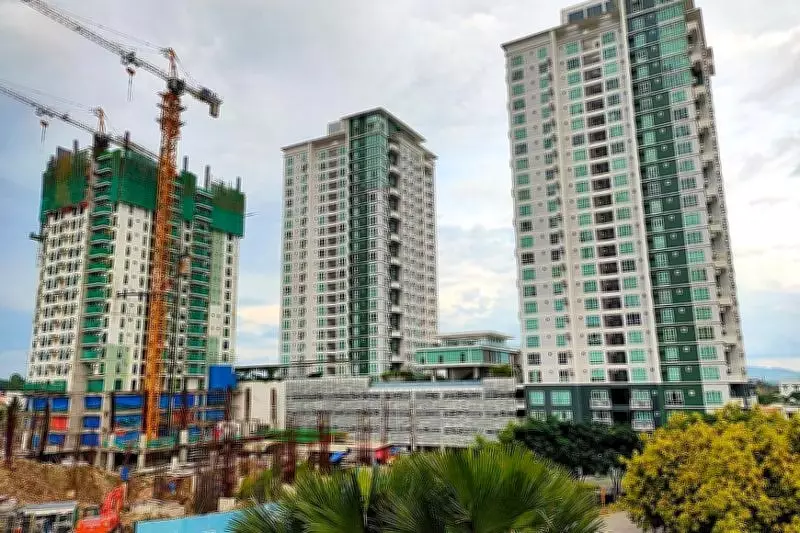
Commercial developments, meanwhile, remain concentrated in central districts, particularly areas with high-rise condominiums, mixed-use projects, retail complexes, and business establishments.
“The coastal and downtown areas have become commercial hubs where most condominiums and commercial complexes are located,” he said.
In southern and upland districts such as Toril, Tugbok, Mintal, and Calinan, Alderite noted growing demand for horizontal housing projects and tourism-oriented developments, including farm resorts and leisure estates. He said the trend reflects increasing interest in open-space living and nature-based destinations among both local and foreign investors seeking long-term property appreciation and tourism-related business opportunities.
“It is really about identifying where development opportunities are currently concentrated,” he said.
Despite inflation concerns and global economic uncertainties, Alderite said the city’s property market remains stable because demand continues across multiple sectors instead of relying on a single market segment.
“We do not see dwindling opportunities. We continue to see consistent demand across all fronts,” he said.
He added that property values in Davao City largely depend on land classification and intended use, with commercial properties generally commanding higher fair market values than residential and agricultural land.
Alderite also cited Davao City’s growing tourism industry, expanding business environment, and relatively affordable cost of living compared with other major urban centers as factors strengthening its position as a leading investment destination.

Industry observers said Davao City’s balanced development model and wide availability of land across multiple classifications have helped keep the local real estate sector vibrant even during periods of economic uncertainty, positioning it for continued expansion in the coming years.